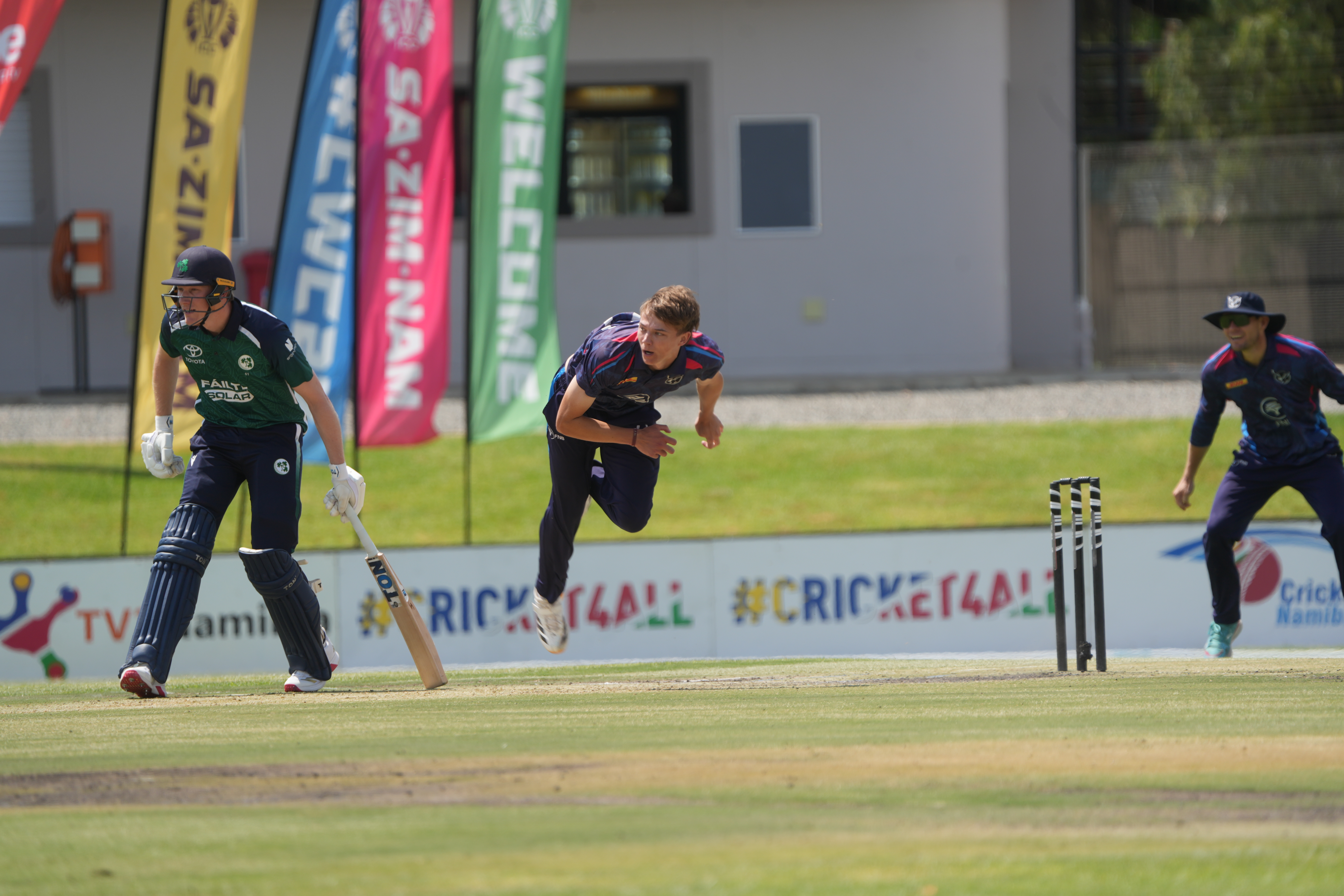
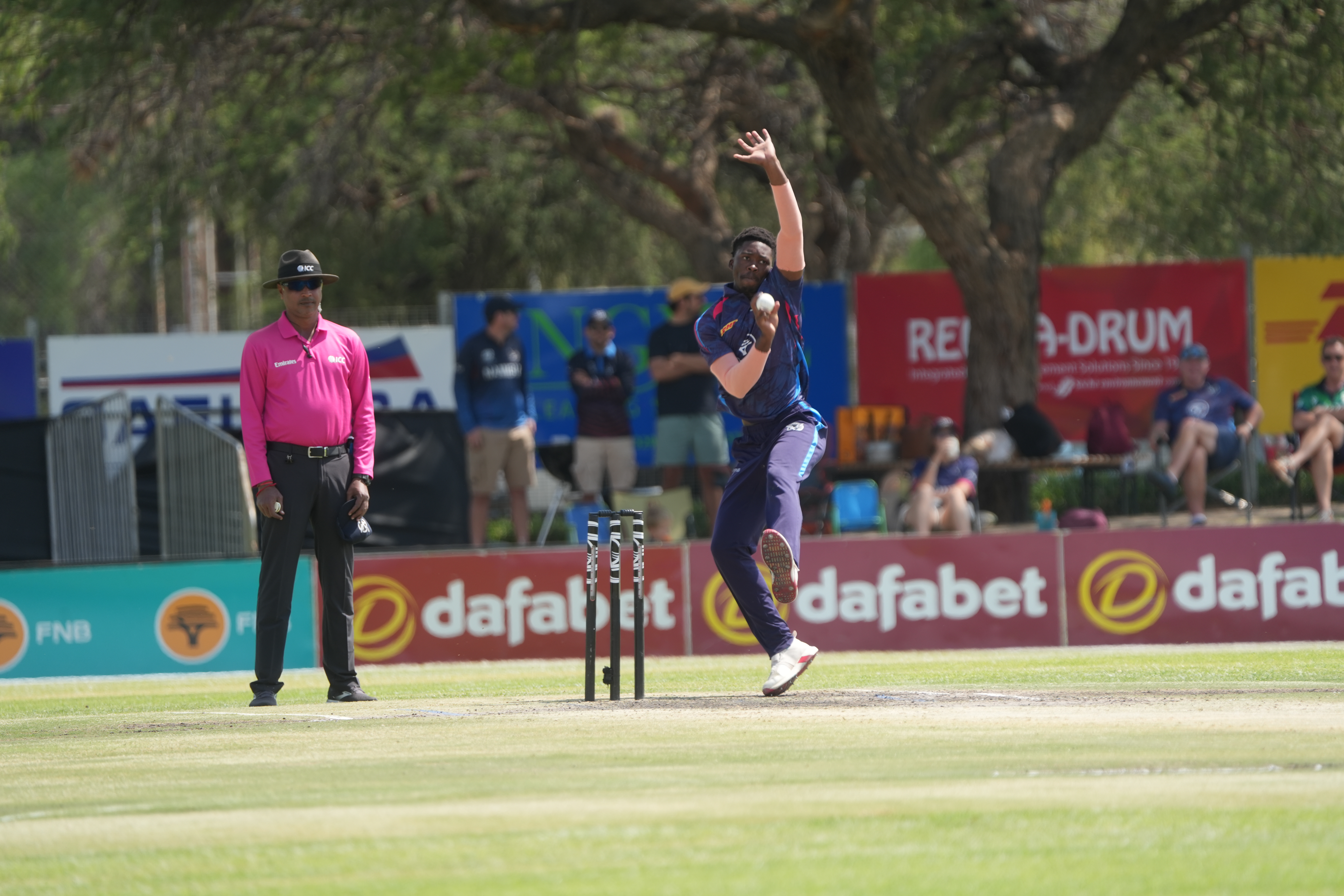
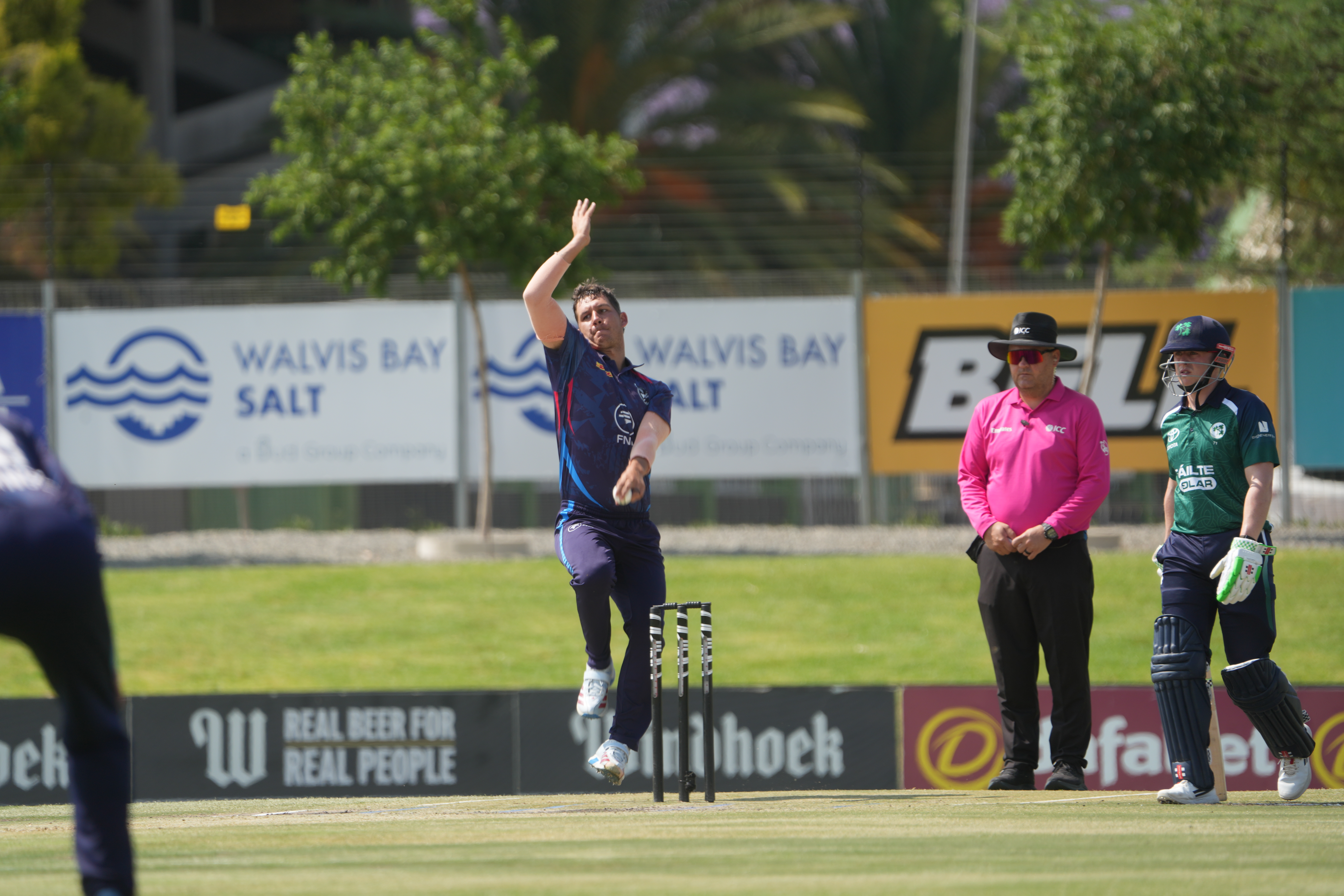
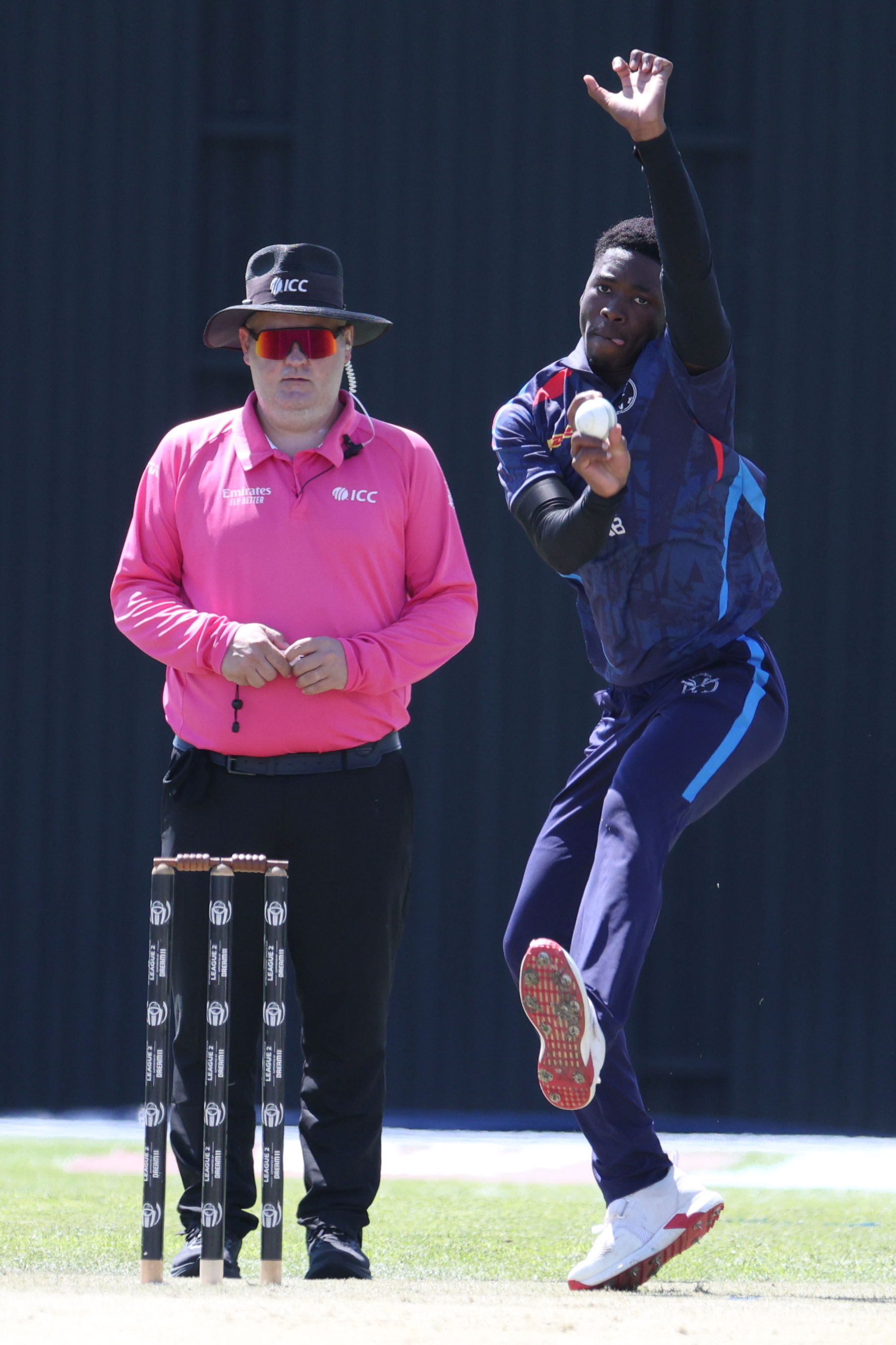
... as Namibia Beat Ireland 3-2 to win series
The FNB Eagles made history by becoming the fifth Associate nation to beat a Full Member nation, winning the five-match One Day International series against Ireland 3-2. It is Namibia’s first bilateral series win over a Full Member nation.
The Eagles lost the first match by 55 runs, then won the next two by 31 and 63 runs. Ireland levelled the series with a 130-run win in the fourth match before Namibia took the decider by five wickets.
Craig Williams, the Eagles’ coach, said the squad and the country welcomed a series win over a Test nation. He said Ireland plays against opponents across the world, and that the result reflected his players’ effort.
Williams said the team has built its approach to 50-over cricket over the past year and a half. Its batters have scored more than 2,300 runs in that time, and he believes the series showed the strategy works. He also credited the bowling attack, saying that as long as it stays clear of injuries, it is a force to be reckoned with.
“It wasn’t one guy who just every game put his hand up. It was sort of a couple of guys who had performances at different times,” Williams said.
He singled out the batting of Gerhard Erasmus and Jan Frylinck, and said Ruben Trumpelmann, Jack Brassell and JJ Smit also helped set up the series win. “JJ picked up four wickets twice. Ruben could have got five wickets every game,” he said. He added that Brassell’s pace brought wickets when they mattered.
Williams also named Max Heingo, Bernard Scholtz, Malan Kruger, Nicol Loftie-Eaton, Zane Green and others for their contributions at different stages.
Erasmus was named Player of the Series. He also led the batters, with 263 runs at an average of 65.75, and took four wickets. Curtis Campher of Ireland scored 234 runs at 46.80, and Frylinck scored 224 at 44.80.
Ireland’s Jai Moondra led the bowlers, taking 11 wickets at an economy rate of 4.55. Brassell also took 11, at 5.65, and Smit took 10, at 4.31.
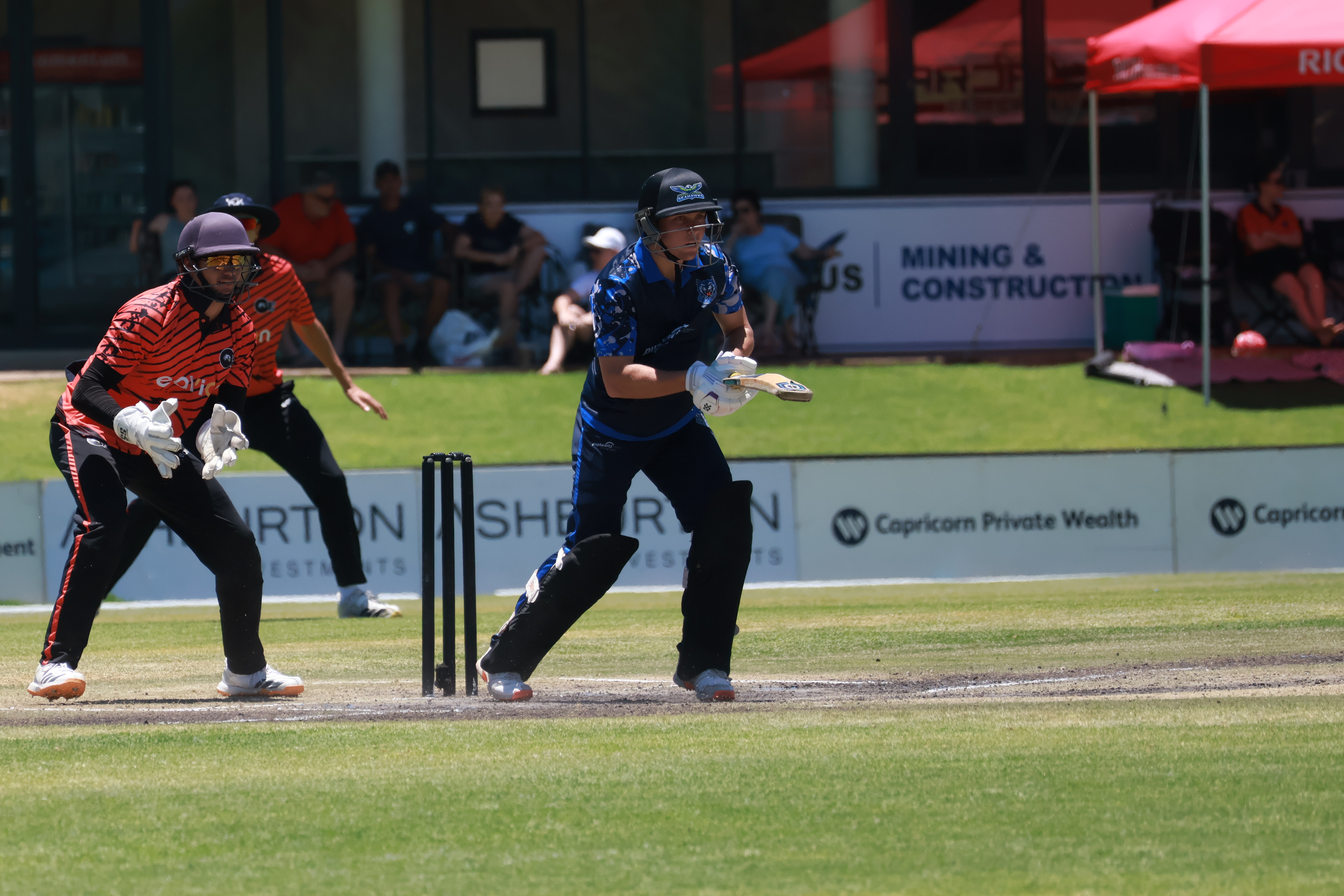
Erasmus made 156 not out from 125 balls in the second match. The score beat JP Kotze’s 136 as Namibia’s record in ODIs. It ties Kyle Coetzer’s 156 for Scotland, and among Associate batters only Callum MacLeod, with 157, has scored more. Erasmus also passed Smit’s 60 sixes to set the Namibian ODI record, with 64.
Williams praised the series win but criticised the way the team lost its two matches, which he said came from errors in areas where the Eagles played badly. He sees lessons in them after tours against South Africa, Zimbabwe, the United States and the Netherlands.
The Eagles now turn to the qualifiers in Nepal, where Williams expects the pitches to turn more than those in Windhoek. The side will add spin to its attack and work on its play against spin. “We’re not taking anything for granted. We’re doing our homework, we’re doing our research,” he said.
His selection task is already hard, with 18 to 20 players competing for 11 places. If the Eagles progress, the next round of qualifiers will be played at home in Windhoek, where their record is strong.
Williams said the board, staff and public back the team, and that the coaching staff’s job is to keep the players fit and ready.
The result matters beyond the scoreboard. Full Members have long dominated cricket, and results like this show that quality exists outside that group, which supports the growth of the sport worldwide. A win over a Full Member also draws the attention of the International Cricket Council and sponsors, and can unlock grants, training resources and broadcast deals that help build facilities at grassroots level.
The result also shows a route to the top. Bangladesh, Ireland and Afghanistan beat Full Members before they gained Test status, and those wins showed they could compete at the highest level. Namibia’s first series win over a Test nation adds to that case as the Eagles aim to qualify for the World Cup. Upsets also keep tournaments unpredictable, drawing supporters and showing that nations with fewer resources can challenge the leading powers.
PHOTO CREDITS: Cricket Namibia