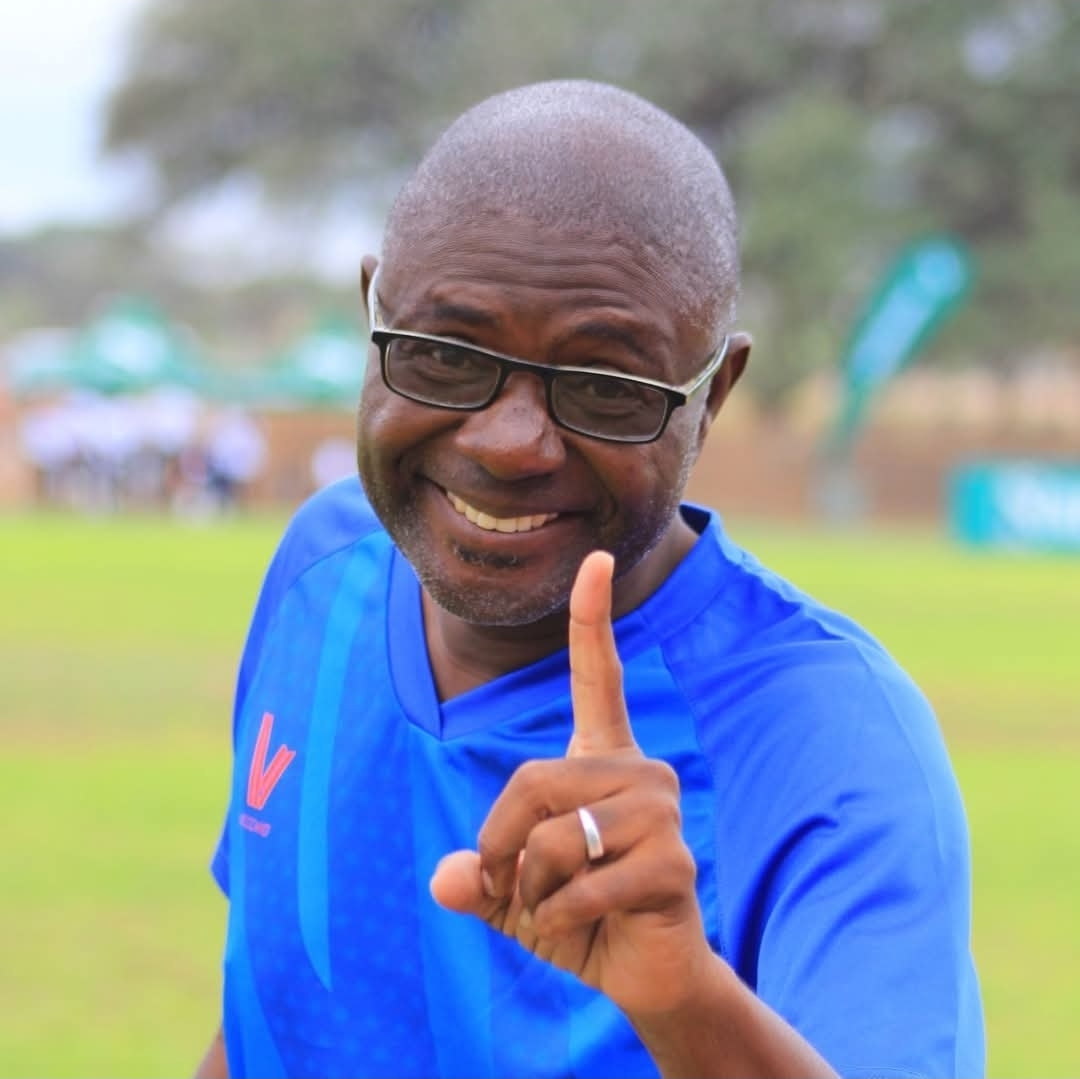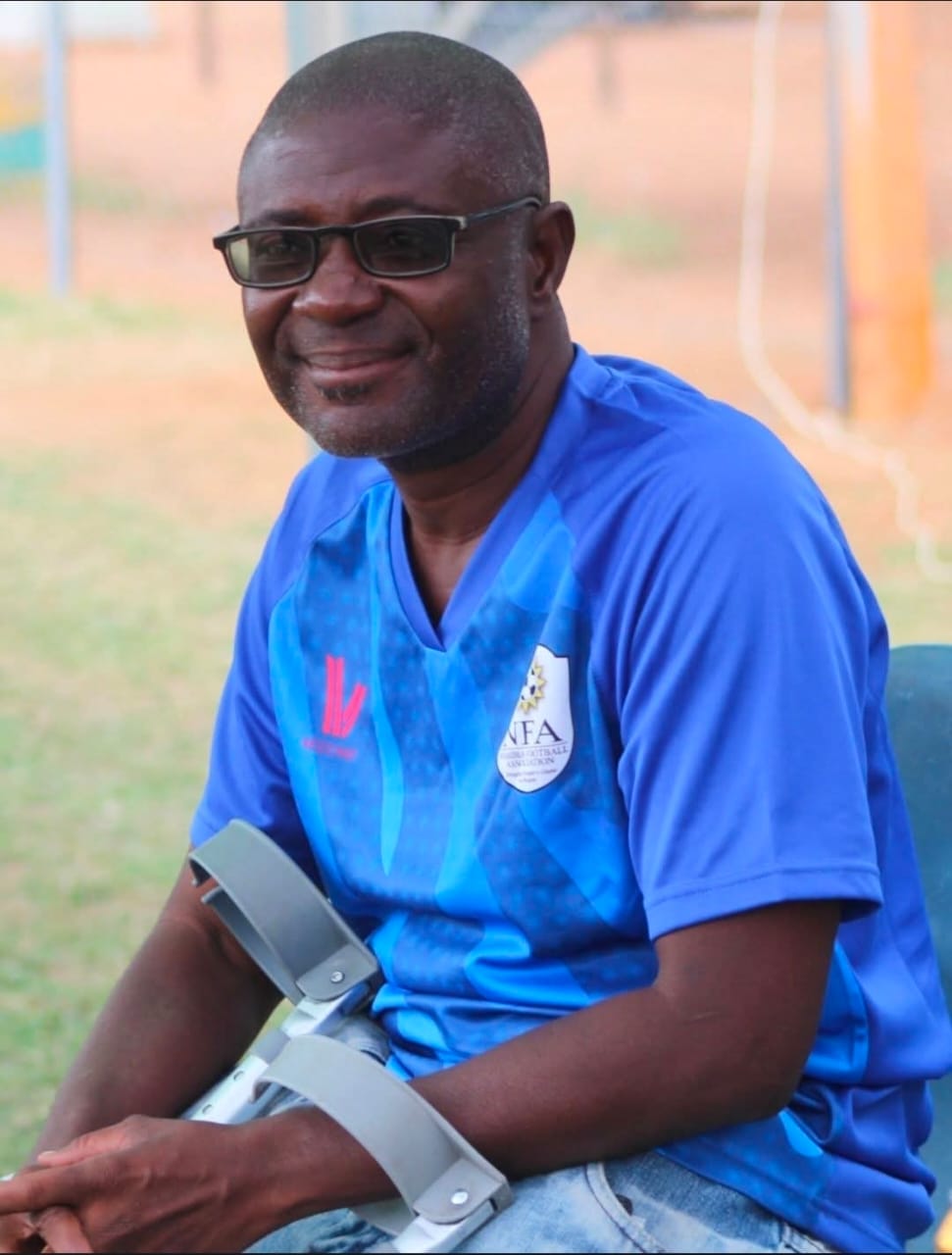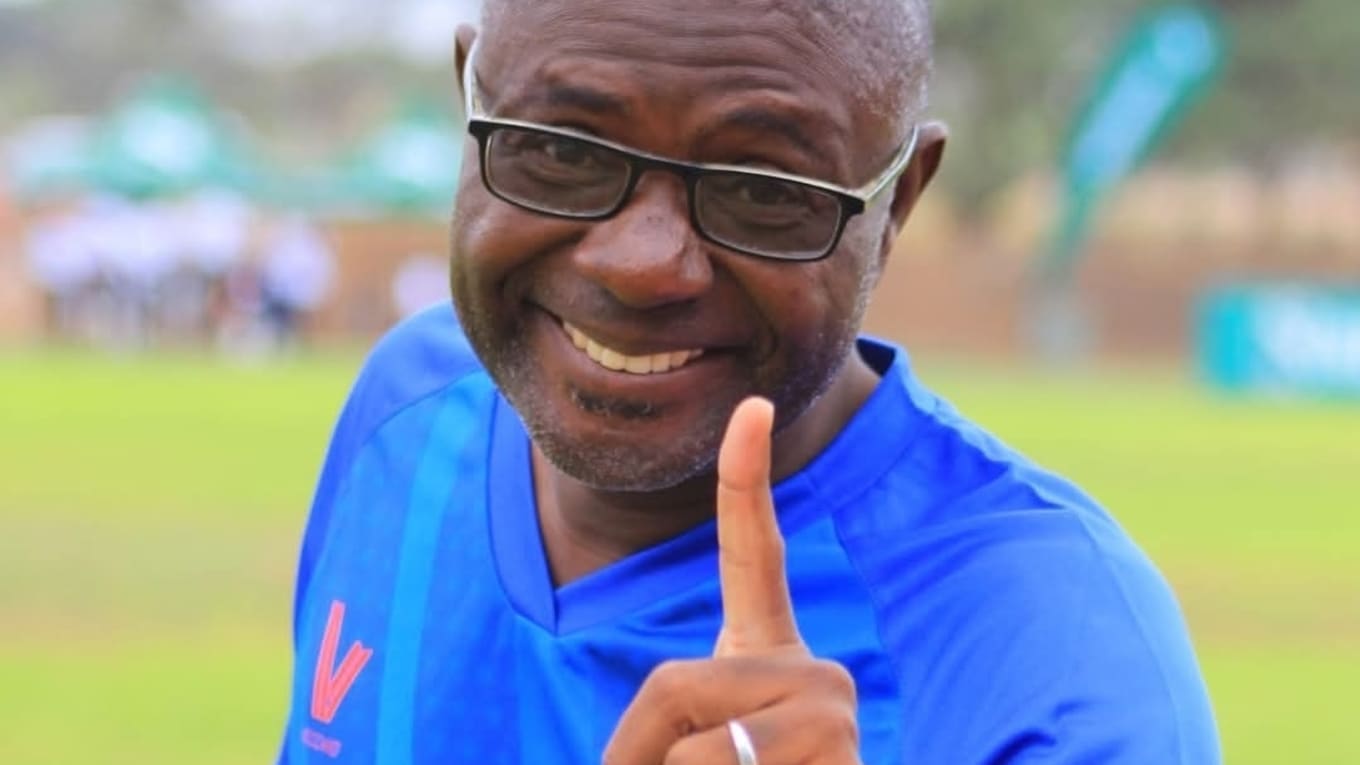
Very few individuals in Namibian football possess a resume as storied or a vision as clear as Ruben Bolla Nangombe. With a career spanning over 30 years, Nangombe has transitioned from managing the day-to-day internal mechanics of a single club to serving as the "architect" of football for the entire Kunene region.
Currently serving as the Namibia Football Association (NFA) regional coordinator for Kunene, Nangombe is being hailed by peers for his "administrative precision" and a governance philosophy rooted in transparency, youth development, and a "principled resistance" to corruption.
A LEGACY BUILT ON GRASSROOTS SUCCESS
Nangombe’s shift from senior competitive football to a strict focus on grassroots development has yielded historic results for Kunene. Under his strategic oversight, the region has secured several major titles, including the U15 Youth Games (2023), the U17 Youth Games (2024), and the prestigious U20 Namibian Newspaper Cup (2025).
"My perspective has transitioned from club-level management to a broader strategic regional vision," Nangombe explains, noting that his role now prioritises the harmonious operation of the entire regional structure over the success of any single club.
DEFYING GEOGRAPHY THROUGH DECENTRALISATION
The Kunene region is notoriously vast and logistically challenging, but Nangombe has implemented three core pillars to ensure the game thrives: decentralised governance, bottom-up technical scouting, and political synergy.
To bridge the geographical gap, the region operates three distinct 3rd Divisions to reduce travel burdens and empowers remote communities to act as administrative arms. His "Village-to-Constituency" coaching model ensures that talent is identified in even the most isolated areas, such as the Namib Desert and the Epupa mountains.
"It allows us to find gifted players... ensuring no player is overlooked due to geography," Nangombe states.
THE DAILY "PLAYBOOK" OF PRECISION
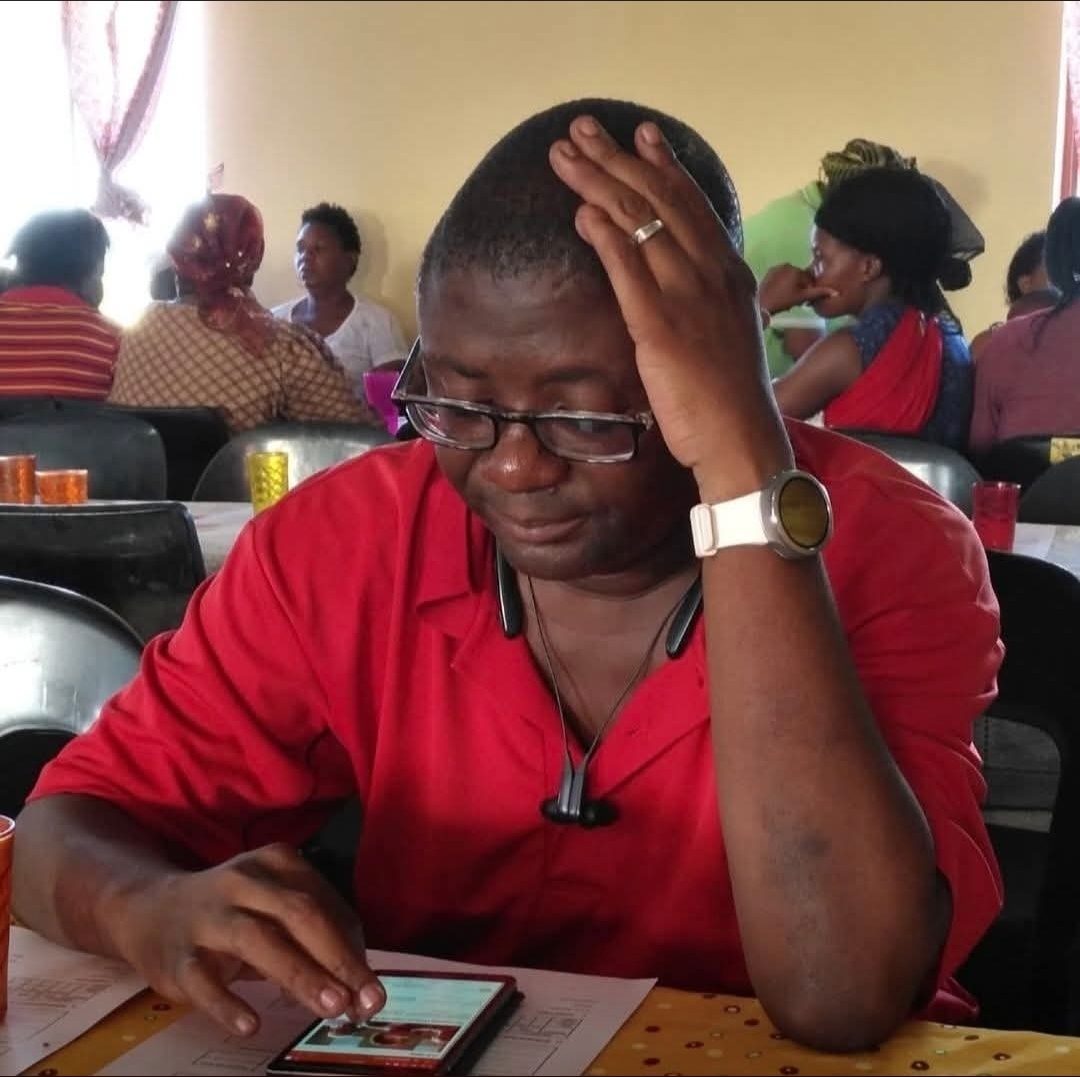
Nangombe’s "daily playbook" is a meticulous 24/7 cycle designed to ensure administrative precision through a process of verification, execution, and reporting. The weekend serves as the intensive "execution phase", where Nangombe coordinates a vast logistics network across the Women’s, Second, and Third Divisions to ensure all fixtures meet technical and safety standards. Mondays are dedicated to accountability, with weekend data synthesised into official reports for leadership within 24 hours. Mid-week focuses on "technical alignment", involving briefings to correct shortcomings and efforts to enhance league marketing and sustainability. On Fridays, or "Zero Hour", Nangombe performs rigorous logistical audits, personally verifying venue availability and tracking the movement of teams and officials. Any scheduling gaps are used for on-site compliance inductions, ensuring all stakeholders remain aligned with NFA regulations.
DIGITAL INNOVATION AND MODERNISATION
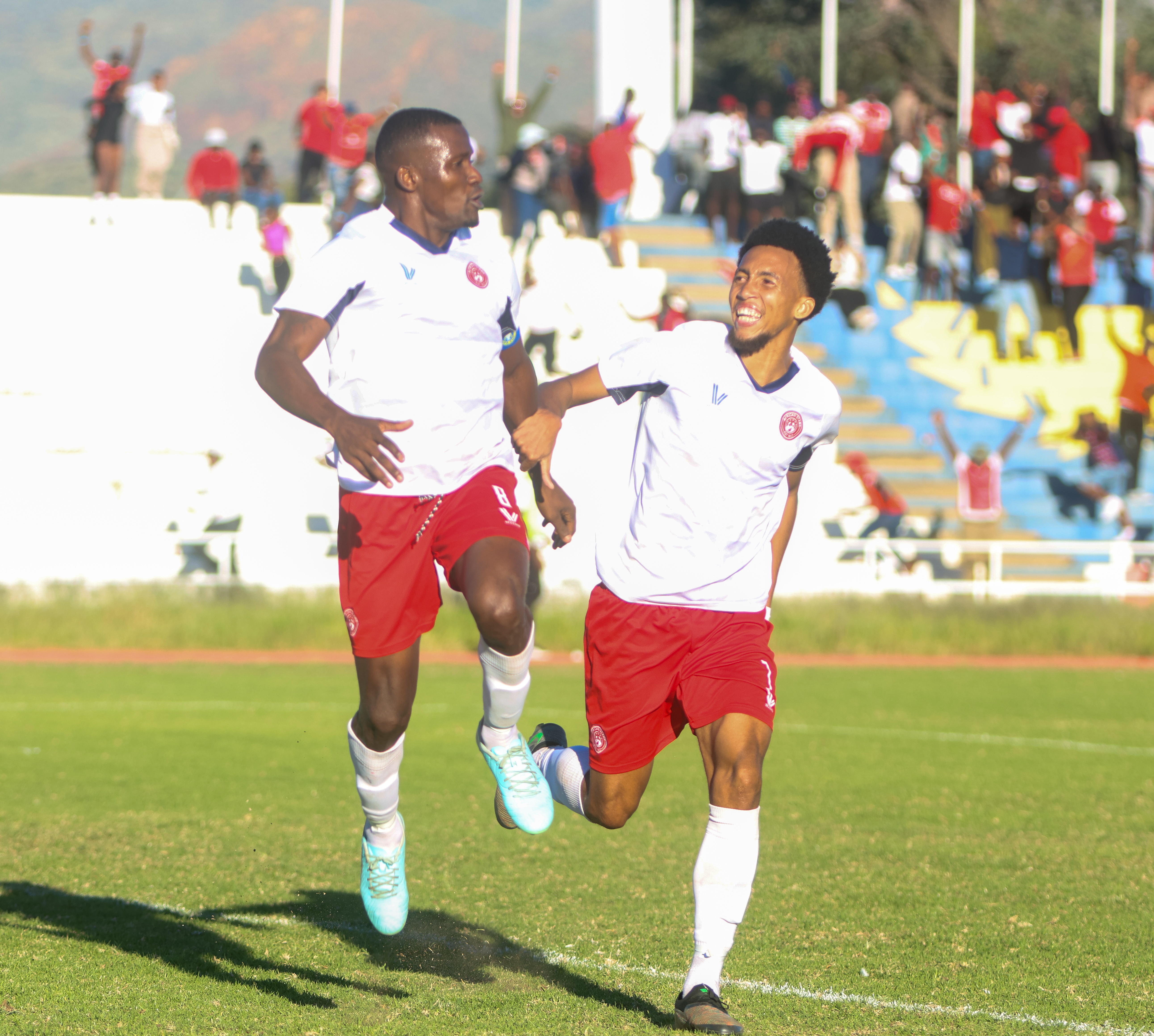
Despite his decades of experience, Nangombe remains at the cutting edge of sports management. He has spearheaded the digitalisation of Kunene football by leveraging systems like FIFA e-Connect and L-Track. This data-driven approach allows the region to maintain digitised records for all players and officials and even provides real-time match updates to fans via social media within minutes of a goal.
A VISION FOR THE FUTURE
While he has achieved much, Nangombe’s "bucket list" remains ambitious. He envisions a permanent "Home of Football" for Kunene, a sustainable presence in the Namibia Premier Football League (NPFL), and a formal succession plan to mentor the next generation of administrators.
For Nangombe, the passion remains rooted in the "Social Architect" role, using football as a tool for health, education, and social stability.
"I see myself as more than an administrator; I’m a social worker for the youth," Nangombe says. "Seeing a player stay away from social evils because of the structure I provided is my greatest 'win."