‘The Machine’ conquers elements to retain Rhino Run title
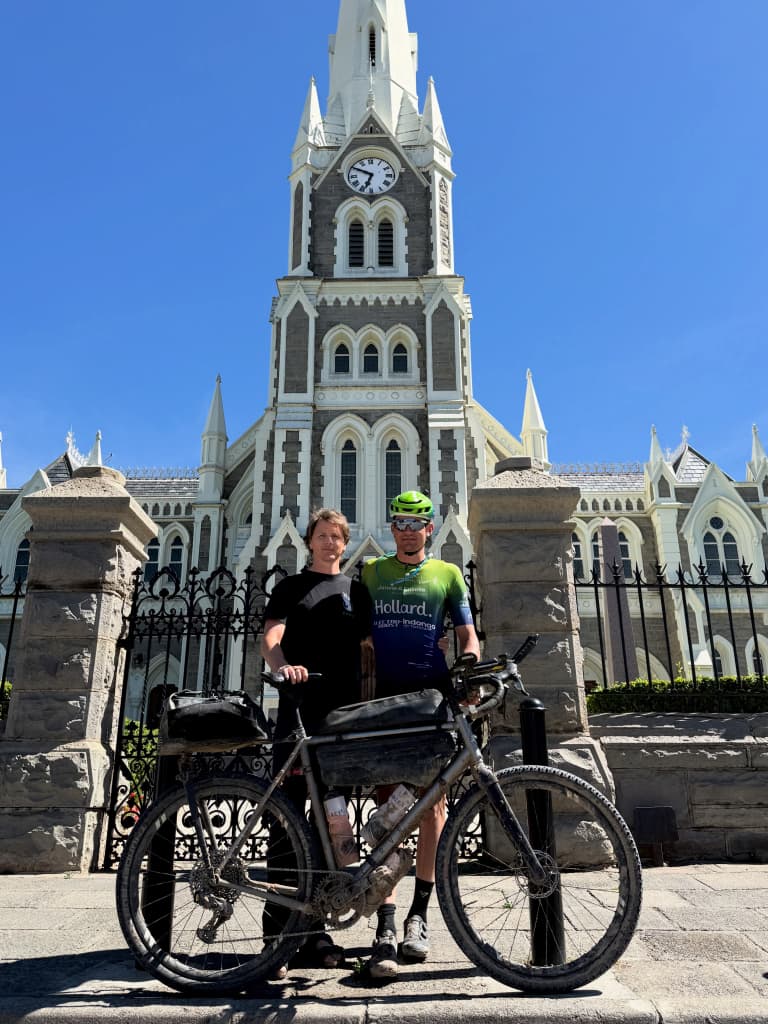
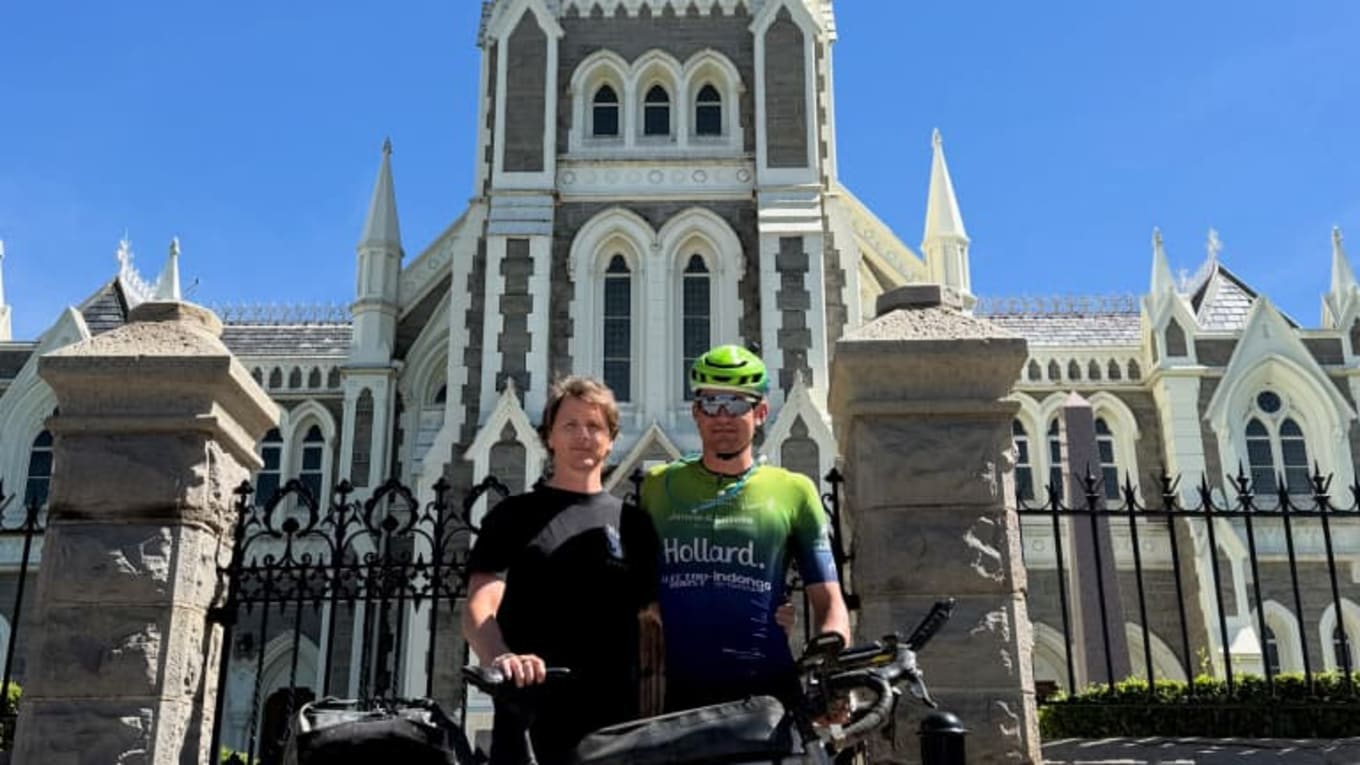
“From the land of the brave, Namibia, your African hero, Drikus ‘The Machine’ Coetzee completes the gruelling 2,830 km course in eight days plus change! Just wow,” the organisers exclaimed as he crossed the finish line late morning on Tuesday.
Coetzee did it again. Against biting cold, relentless rain, and the kind of unforgiving terrain that tests both body and spirit, the Namibian endurance cyclist has retained his Rhino Run crown, conquering the 3,050 km route from Windhoek to Graaff-Reinet in South Africa.
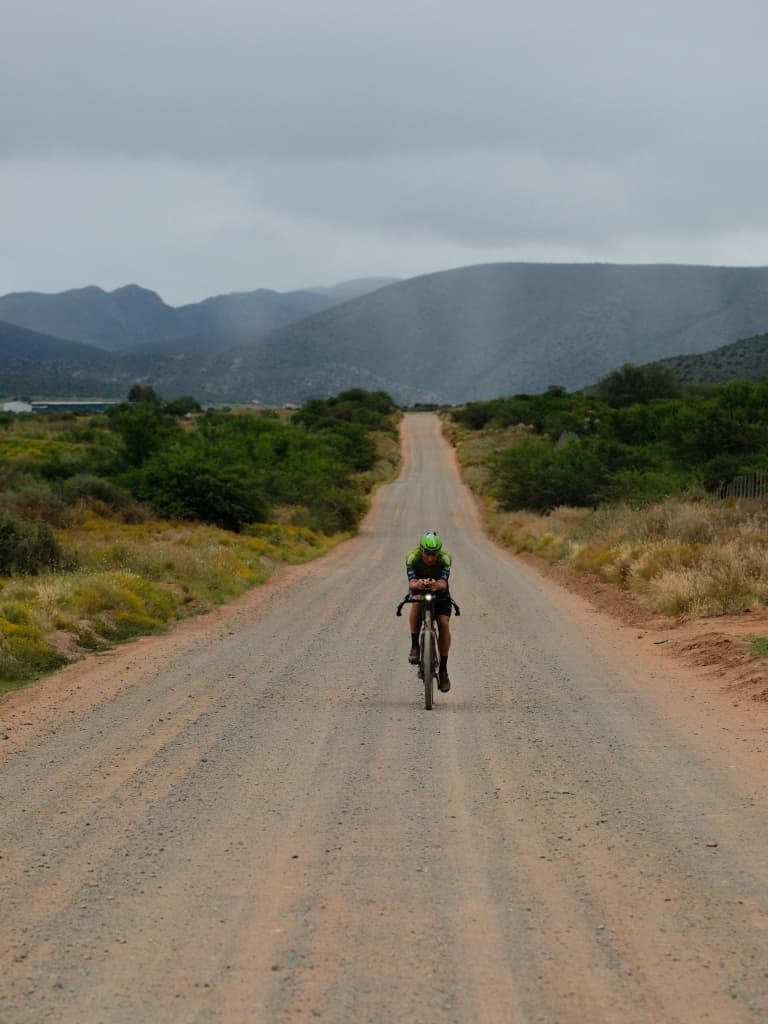
The Rhino Run is no ordinary race. It’s a test of grit and solitude, an unsupported backpacking challenge that demands riders to carry everything they need as they traverse gravel, clay, and mountain passes. For Coetzee, it was eight days of pushing limits, fighting punishing fatigue, and finding beauty in hardship.
But the journey was far from smooth.
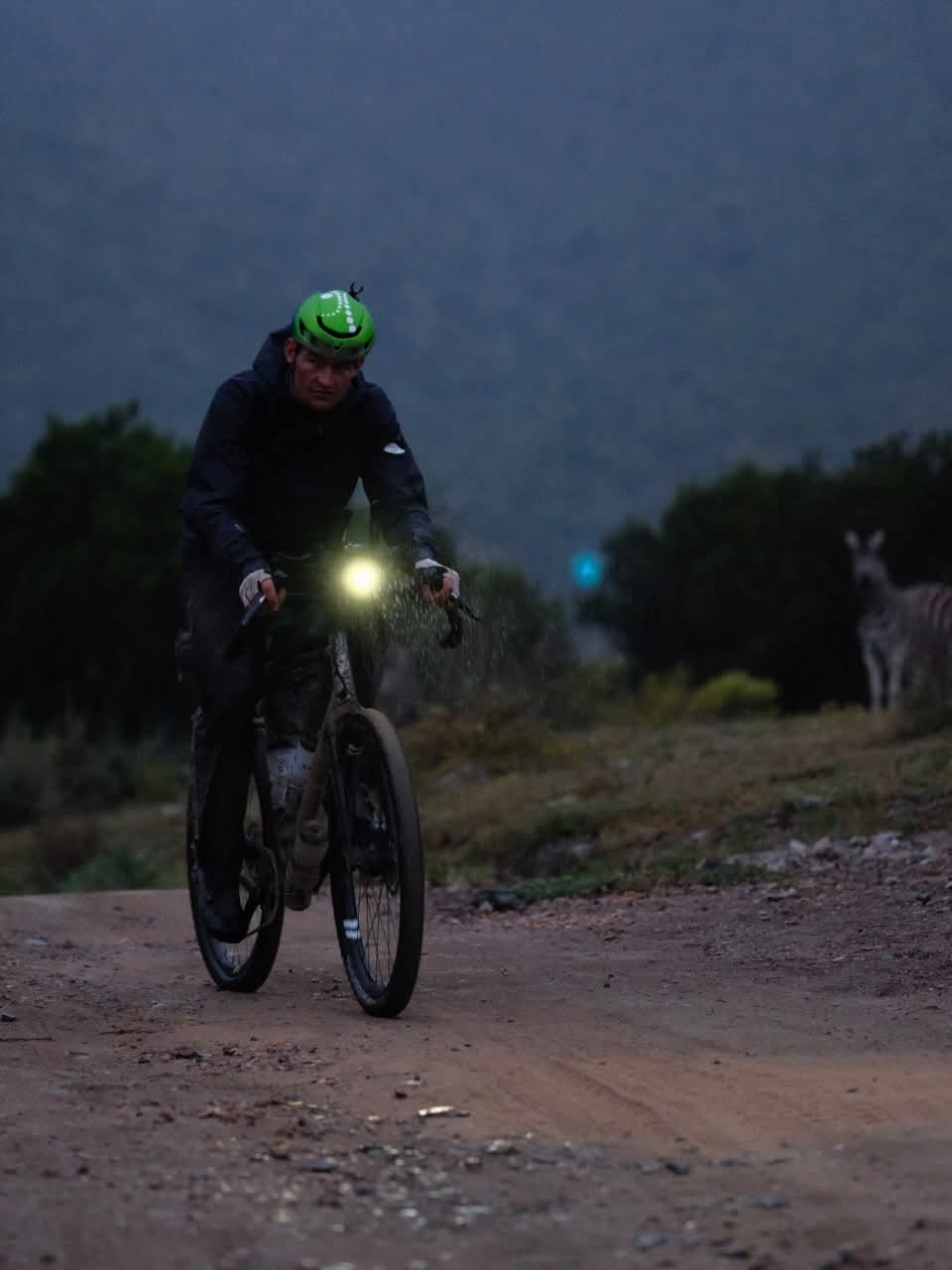
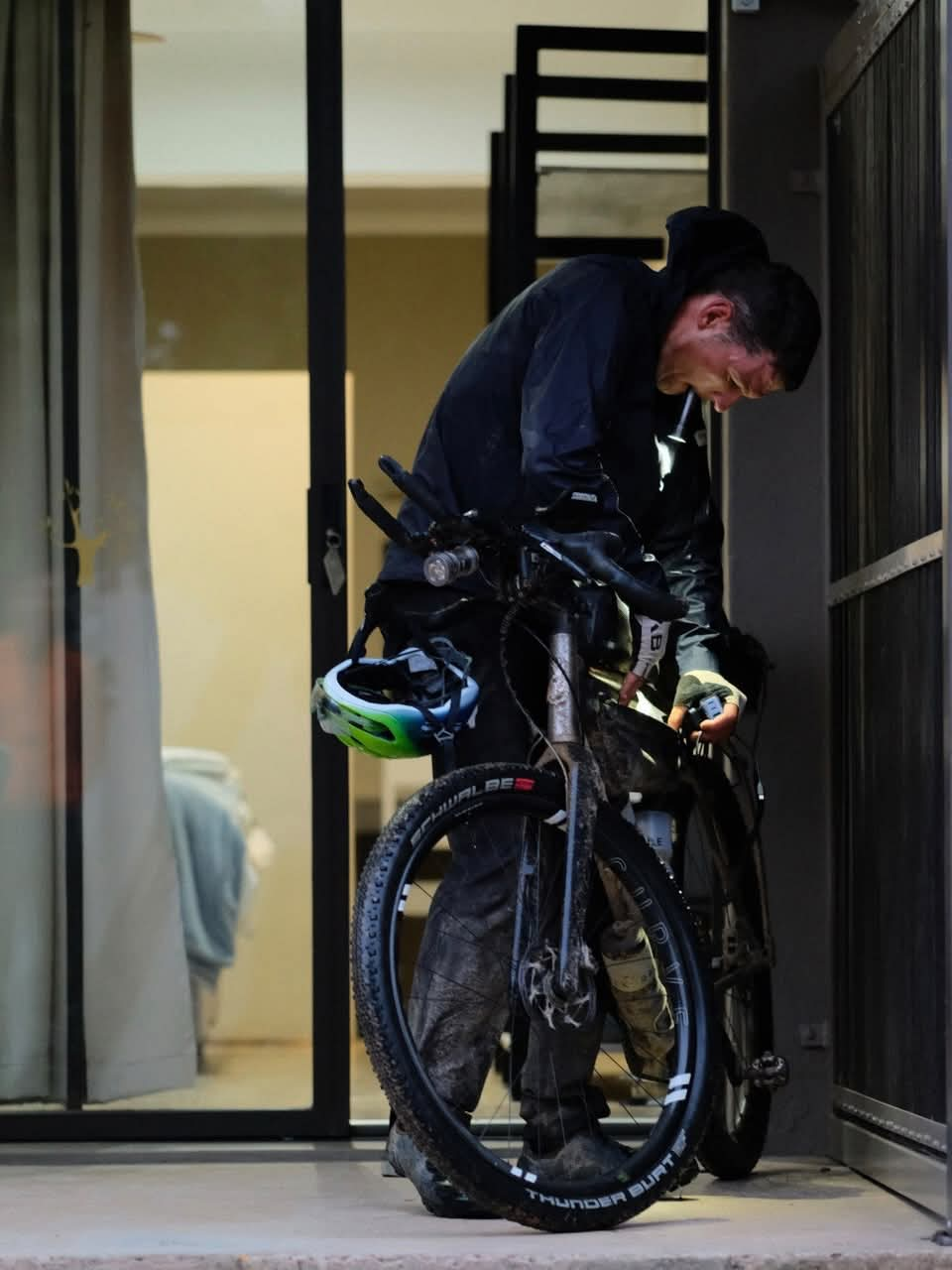
“Last night (Monday), I had one of the toughest experiences, the war experiences, I’ve ever had. The planet has water. Water has come down, my man," I’m telling you,” Coetzee said, his voice cracking with exhaustion and relief.
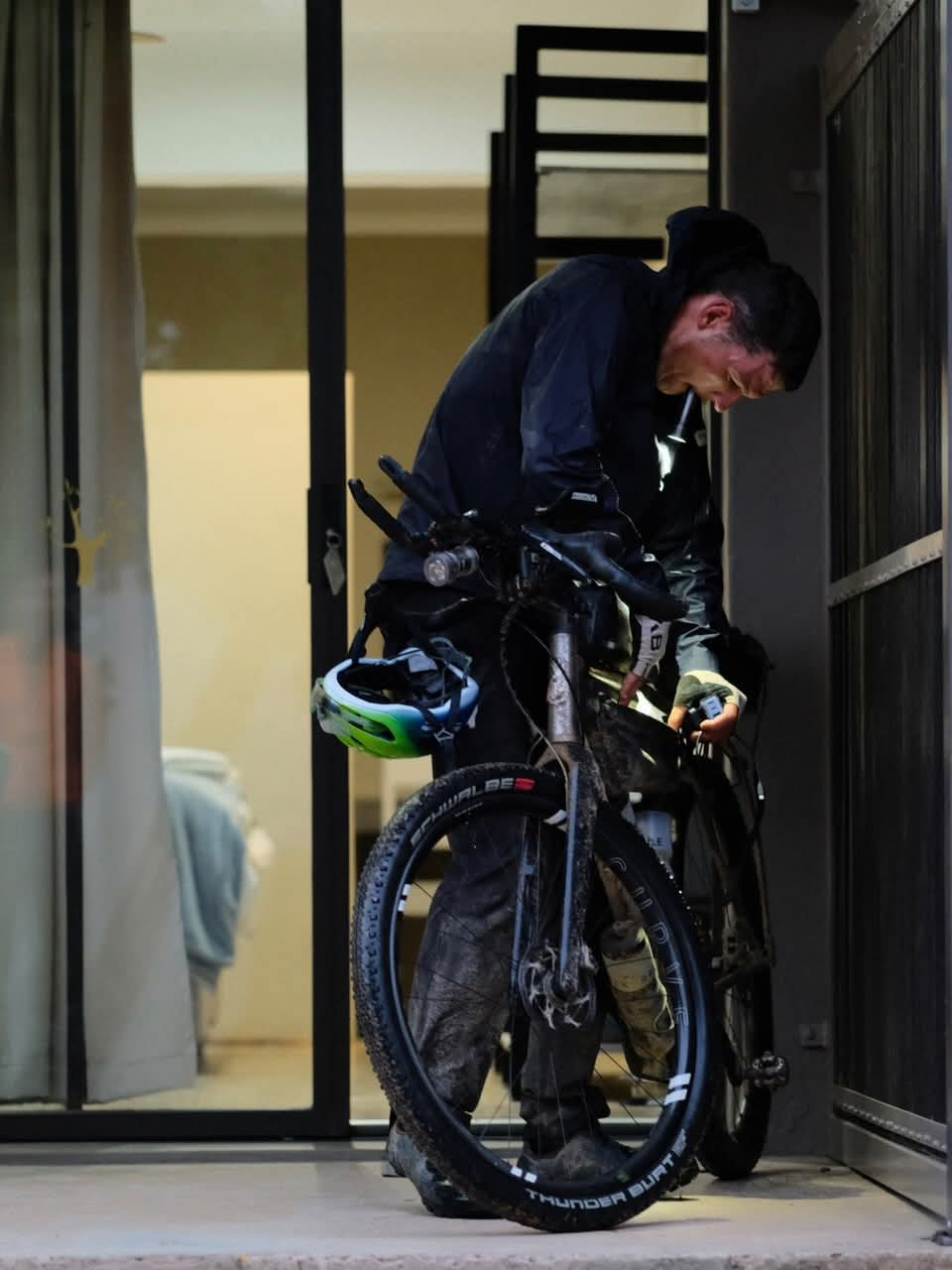
Rain had turned the gravel into sticky clay, forcing him to dismount and walk sections of the final stretch.
“The last 20 kilometres have been absolute hell. I’ve been walking, getting off and on my bike, doing a transition,” he said.
Even in the struggle, Coetzee found moments of gratitude.
“Thank you, God, for the rain and the water; it’s beautiful,” he murmured, pausing to take in the sunrise that greeted him near Graaff-Reinet.
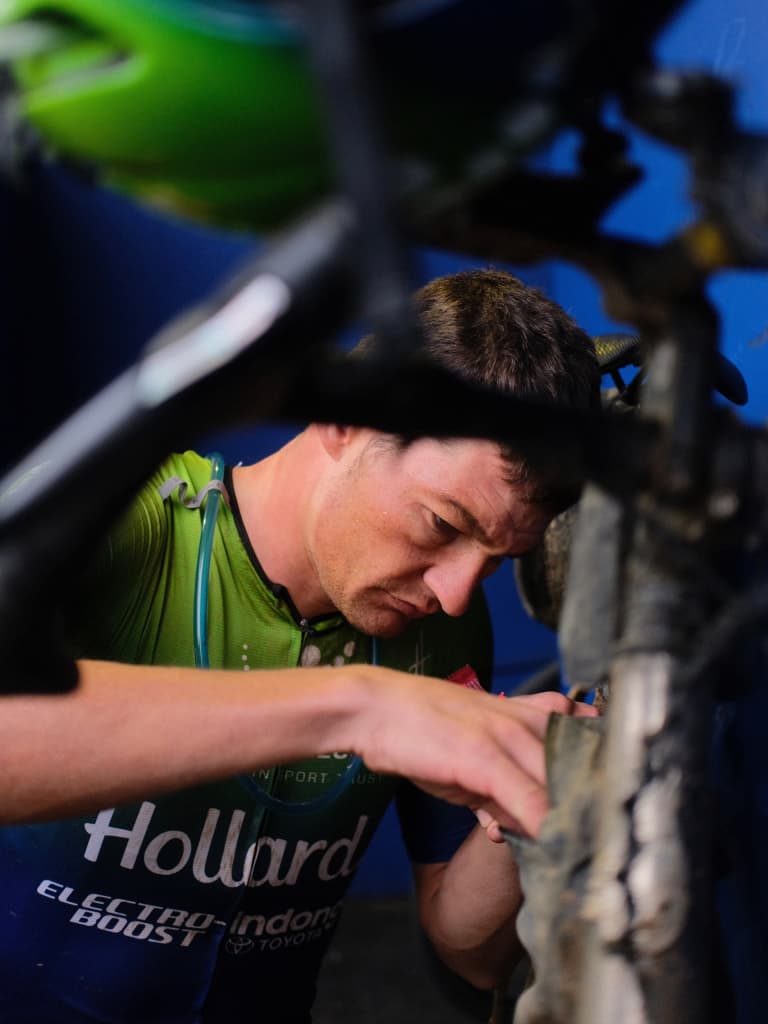
His Achilles tendon was “on fire, beyond fire", but his spirit remained unbroken.
“Sometimes you win, sometimes you lose, but this one I’m winning right here,” he said with a weary smile.
The Rhino Run’s organisers described the 2026 edition as “a true celebration of Southern African riding and adventure.”
This year’s reverse route, starting in Windhoek and ending in Graaff-Reinet, added new challenges. Riders faced Namibia’s desert heat, the Northern Cape’s endless gravel, and the Western Cape’s unpredictable weather.
Coetzee’s experience in similar conditions, honed during his victory in the Race Across South Africa earlier this year, proved invaluable.
By Day 6, he had already covered 2,250 km, riding through the night and cutting his sleep to mere hours.
“He’s been reducing his sleep schedule and pushing himself to the limit,” organisers noted.
Rain and clay soil made the course treacherous, especially near Oudtshoorn. Yet Coetzee pressed on, resting briefly at Rooiberg Lodge before tackling the infamous Rooiberg Pass.
His nearest rival, Stephane Lombard, kept the pressure on throughout. The two riders pushed each other across Namibia’s deserts and South Africa’s rugged countryside, trading leads and testing endurance.
“It’s quite a battle at the front. Both unwilling to give any quarter," the race team reported.
For Coetzee, the Rhino Run is more than a race; it’s a personal test of resilience.
“Life is about choices,” he reflected after leaving the comfort of a warm bed to bivvy on the roadside in freezing temperatures.
“Sometimes you win; sometimes you lose.”
This time, he won not just the title but also the respect of a continent that watched him defy exhaustion and
nature itself. As dawn broke over Graaff-Reinet, Coetzee looked ahead to a well-earned rest and perhaps a cold Windhoek lager.
The Rhino Run may be over, but its spirit endures in riders like Coetzee, proof that courage, endurance, and a touch of madness can carry you across borders, mountains, and storms.
His words summed it up best: “Although it’s difficult, I’m winning.”