time"
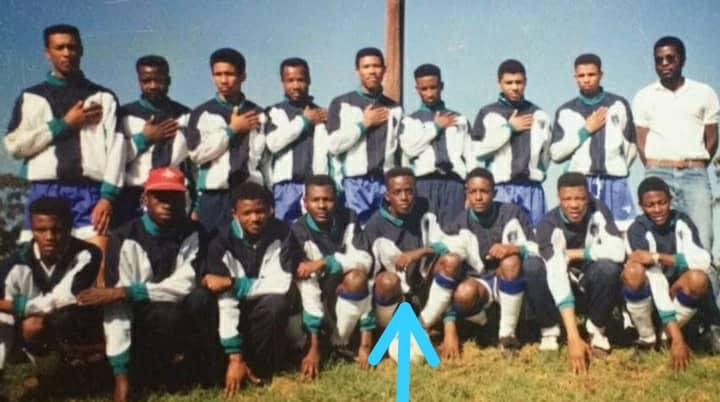
Agenda "Magents" Matongo is one of the few footballers from Katima Mulilo to reach Namibia's elite league. Born in the town, he began as a goalkeeper for a school team because of his sharp reflexes, before becoming a lanky forward. He relocated to Windhoek in 1993, joined his college team and then Ramblers, where he spent two and a half seasons before leaving after the club's relegation in 1996. He resurfaced at Tigers, represented the Western Cape at a South African university tournament in Polokwane and later commentated on football on television. Today he works in government and is a committed student.
PREMIUM SPORT (PS): What have you been up to since you stopped playing, and what is your current professional status?
AGENDA MATONGO (AM): I have found a new love in academia and have concentrated on expanding my knowledge. It has improved my reasoning and writing. Professionally, I work for the government.
PS: What was the biggest shock to your system when you moved from a strict athlete's schedule to an ordinary routine?
AM: I did not stop abruptly; I stopped gradually. When age began to catch up with the speed and manoeuvres I was known for, I left the more intense Premier League for the more relaxed first division. Eventually I moved to social football, went to the gym more often, and jogged on my own. My system was not shocked because I stayed active and only scaled down the intensity.
PS: What is the most unexpected skill from your playing days that now helps you in your career?
AM: Teamwork. In any team sport, you cannot achieve results alone, however much more skilled you are than your teammates. In your career, you come to embrace the same idea, realising that each person in your set-up brings something that helps you reach your goals. In a public office, my manner with the people I serve is appreciated, because sport got me used to rubbing shoulders with all kinds of people.
PS: Which habit or pre-match ritual from your sporting days have you never managed to shake off?
AM: I am not sure you would call it a ritual, but as a believer in a superior being, I always prayed before going into battle, as I called a match, for victory and protection. I still pray before I engage, especially in serious situations.
PS: Walk us through a typical weekend now, from Friday to Sunday, compared with one at the peak of your career.
AM: The person who spent every weekend outdoors and travelling for football now prefers quiet indoor spaces. After work on Fridays, I go home and enjoy my family's soothing noise. I sometimes go to church on Saturdays, but my weekends are mostly spent at home, with the occasional trip out with the family.
PS: What do you miss most about being in the public eye, and what is the best part of no longer being recognised wherever you go?
AM: With the life I live now, I do not miss it. A few years after I stopped playing and appearing on television, I struggled to accept that some people did not know who I was, especially in my beloved Katima Mulilo. But as you grow older and wiser, you realise that the quieter the life, where not even your left hand knows what your right is doing, the sweeter and more peaceful it becomes.
PS: What do you miss most about being out on the field?
AM: Tormenting opponents and scoring goals. The sound of supporters shouting my name as I outran defenders on the line still echoes in my ears. Some nights I dream I am playing a serious match, and when I wake up and realise it was only a dream, I get so mad, knowing I will never again play at that level.
PS: Do you have any regrets, or anything you wish you had achieved during your playing days?
AM: Regret brings stress, and I am naturally optimistic. I believe everything happens at the right time and for our good, so I hardly regret anything. People tell me, "Eish, you could have played overseas, but you were born at the wrong time." I smile and tell them you can never be born at the wrong time: you are either born, or you are not. I played at the right time for the right clubs and learned what I had to, so that I could help my children achieve what I could not in sport.
PS: Which piece of memorabilia from your career means the most to you, and where is it now?
AM: I have kept some medals and a few trophies, along with a few photos in uniform and some scars on my shins that remind me of those wonderful years. The medals and trophies are at home in Katima Mulilo.
PS: Which match still gives you goosebumps when you think about it? Give us a glimpse into that game.
AM: Two stand out, both for Ramblers. In a tough home game against Civics, I was on the right wing and, in the last minutes, took a solo run past defenders like a knife through butter to score the winner. Against African Stars, I was deployed as a striker. Late on, with a corner against us, I stayed in the centre waiting for the clearance. It came to me; I took on three defenders and scored, only for the goal to be ruled offside, surprisingly, by a veteran referee with whom I later commentated on television. His name is withheld.
PS: Did your parents support your sporting ambitions? Do your children play sport, and how do you support them? How has that support helped them compared with your own experience?
AM: My father died just after I turned 11; may his soul continue to rest in peace. He bought me the first ball I ever owned, but never saw the footballing machine that gift turned me into. My mother, also late now, may her spirit continue to hover over me, supported me enormously, although it was not cultural for our mothers to stand at dusty fields and watch football. She bought me my first pair of boots, a Puma, when I was in Standard Four, and I wore them to school the next morning.
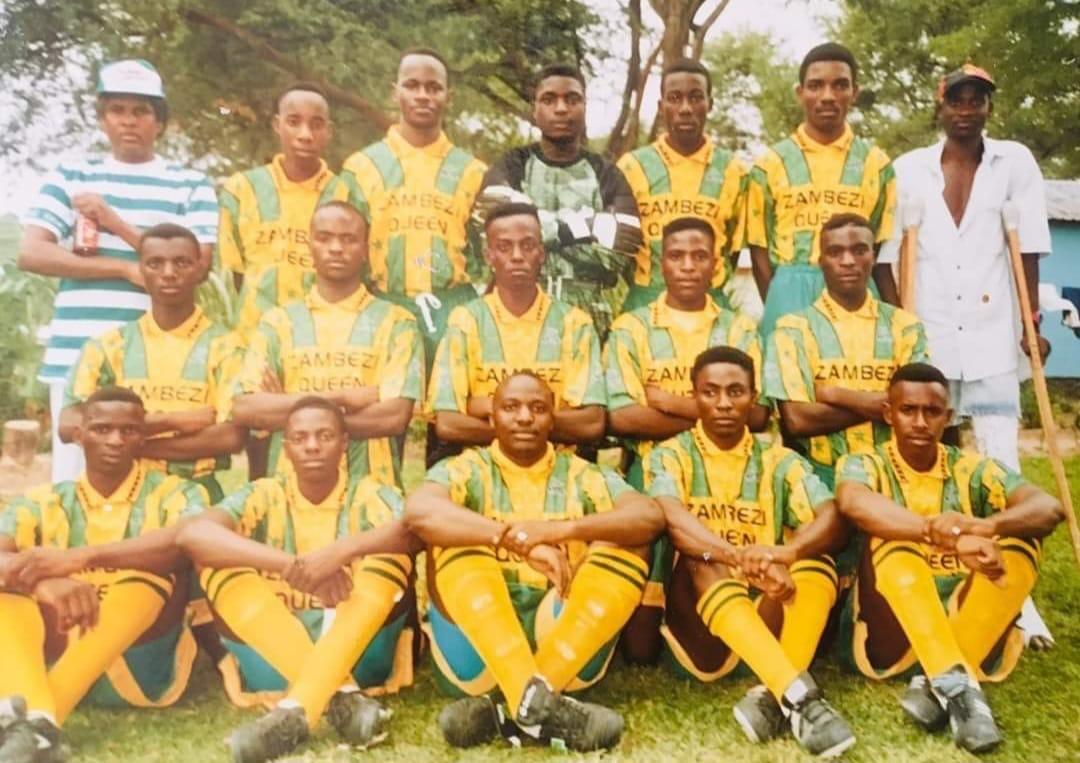
She followed my career closely. When I left my childhood club, Space Age, for Green Eagles in Katima Mulilo, Space Age officials went to complain to her. She told them she could not stop me because it was what I wanted, and I had my reasons. Afterwards she sat me down and gave me a lecture on what I would now call rational choice theory.
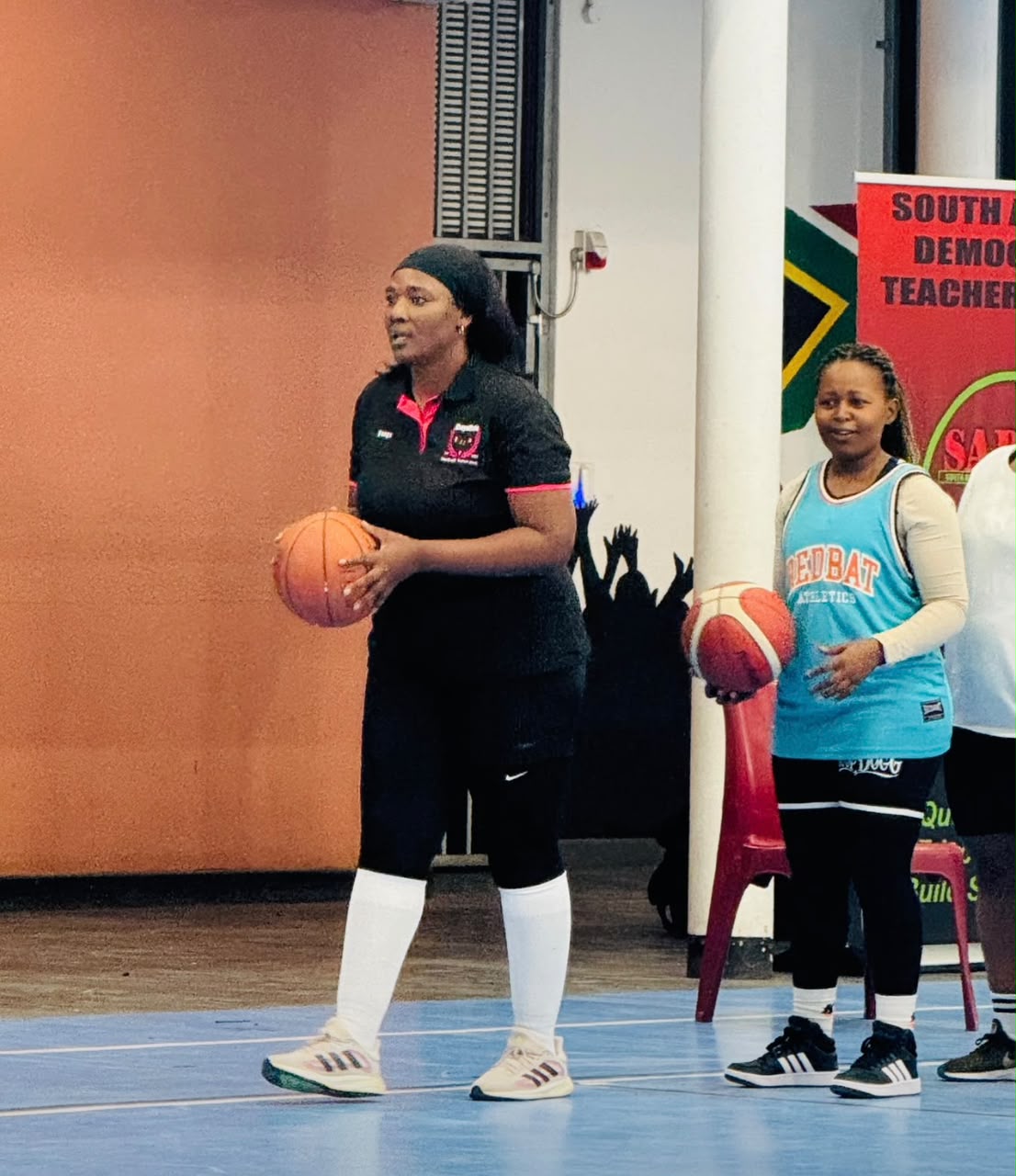
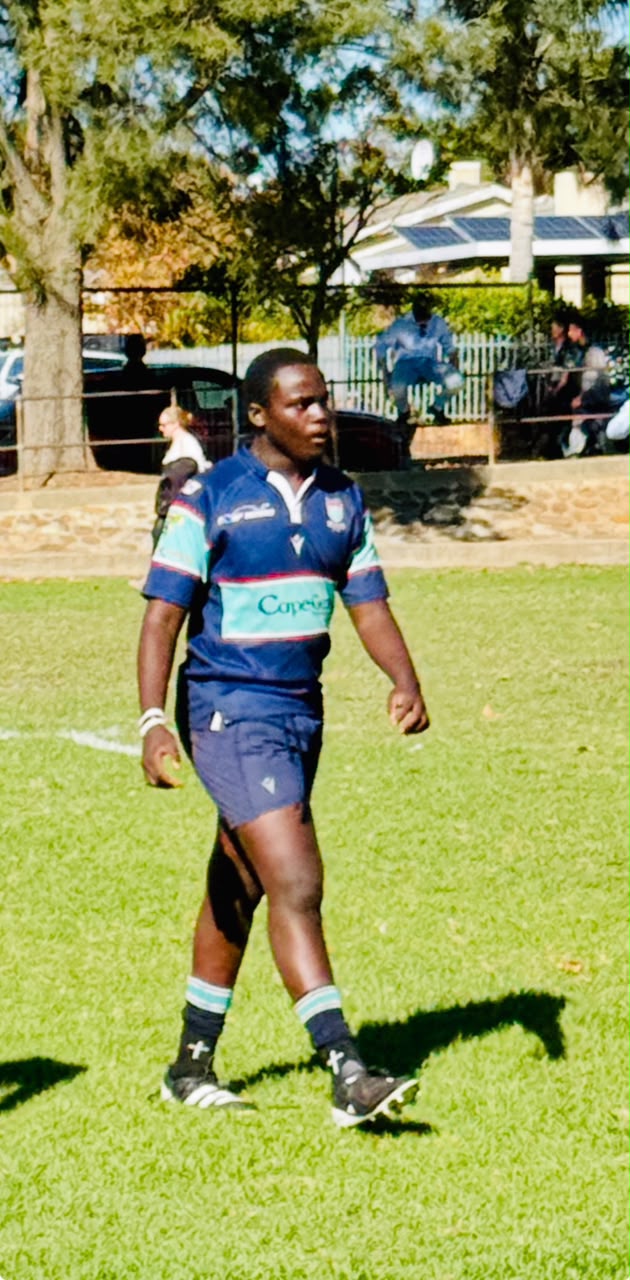
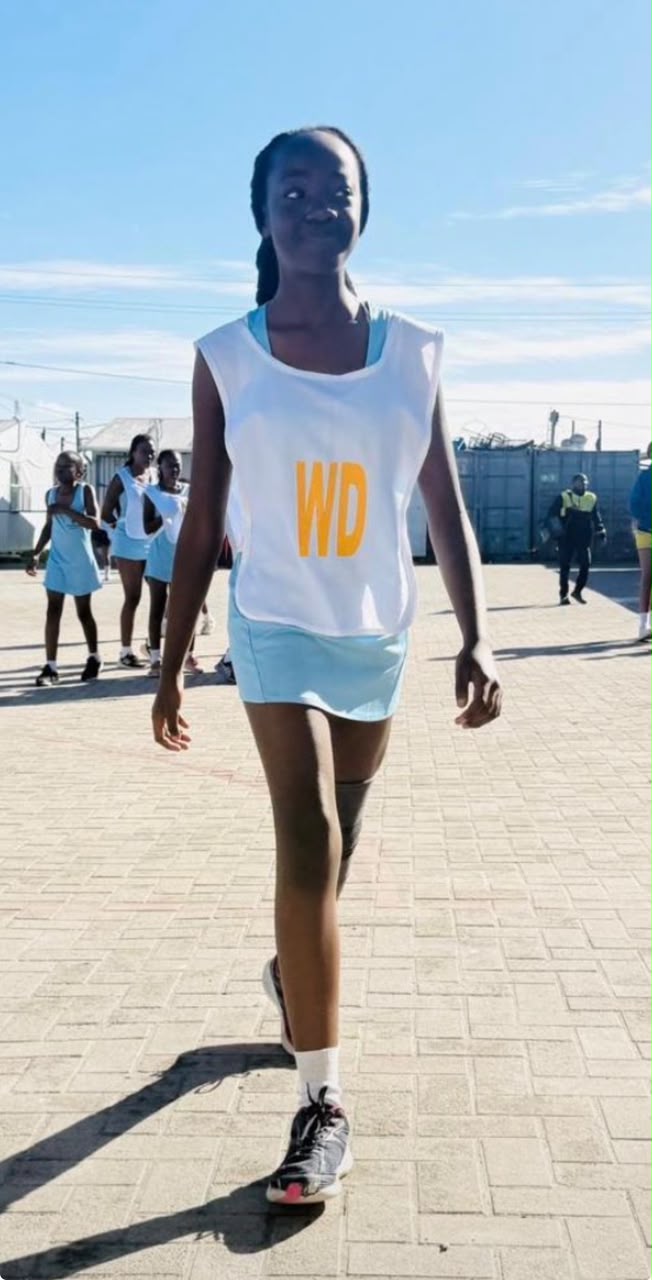
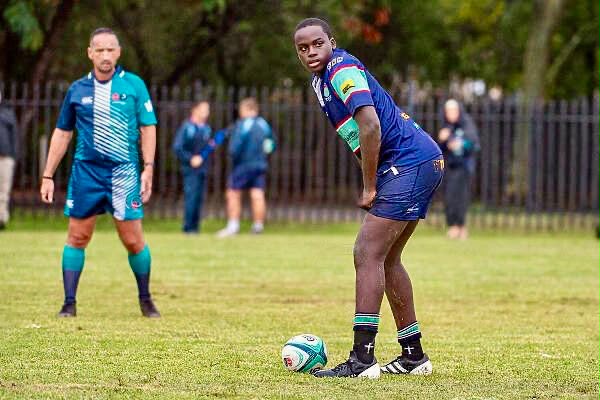
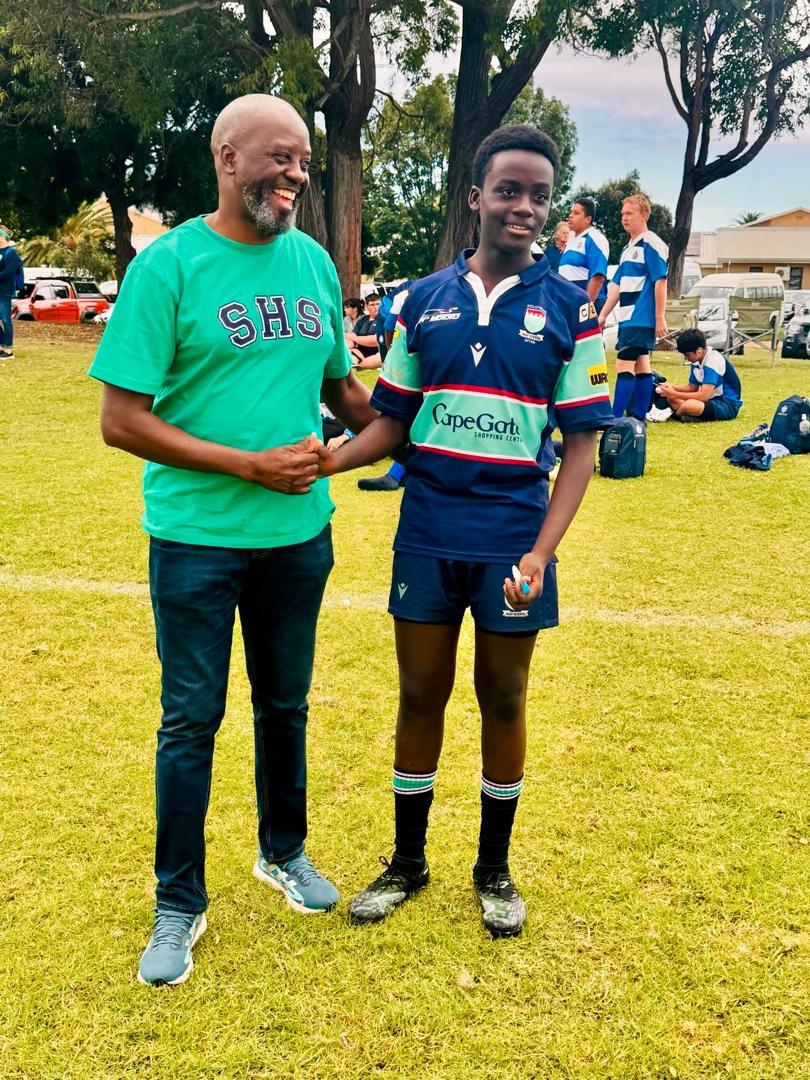
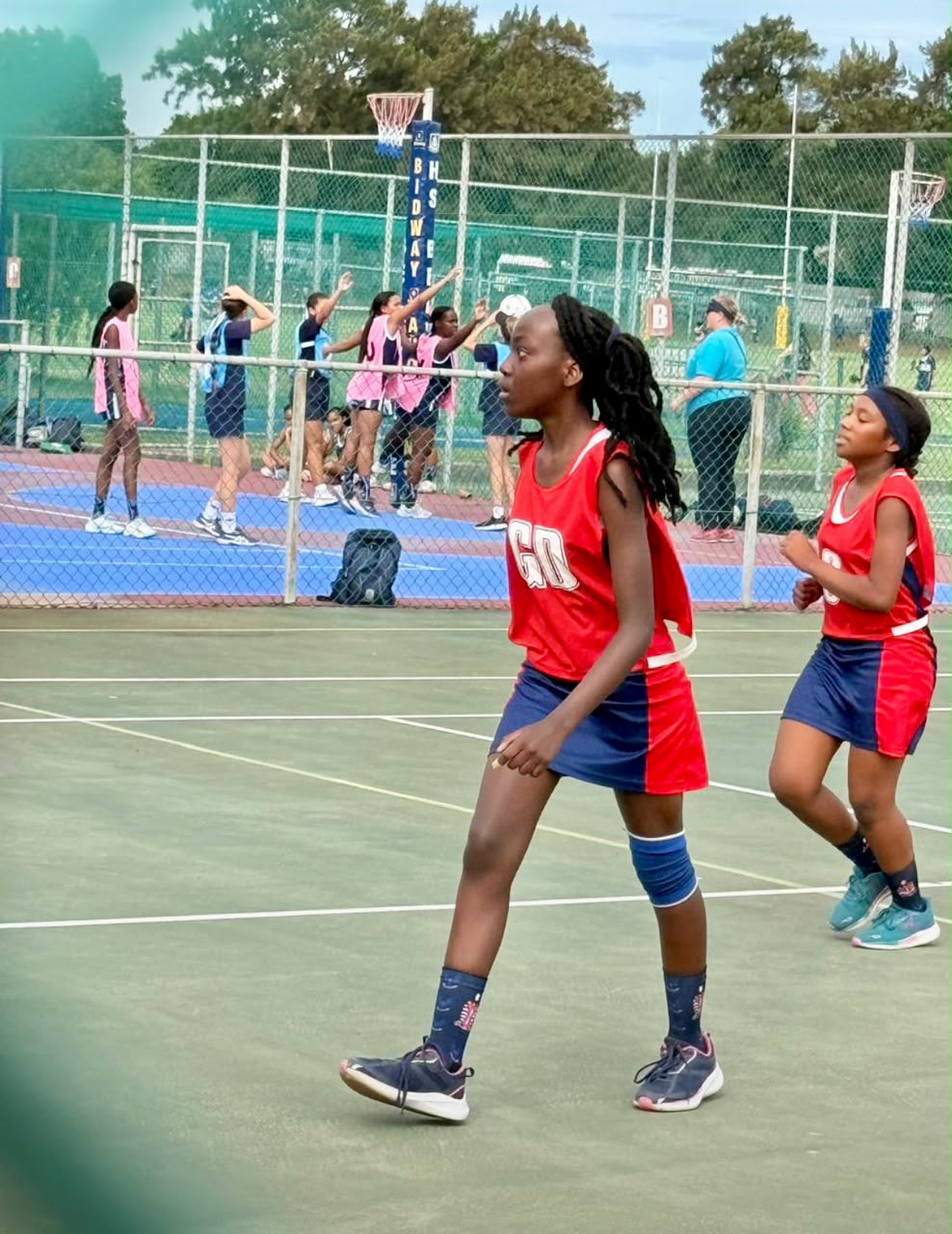
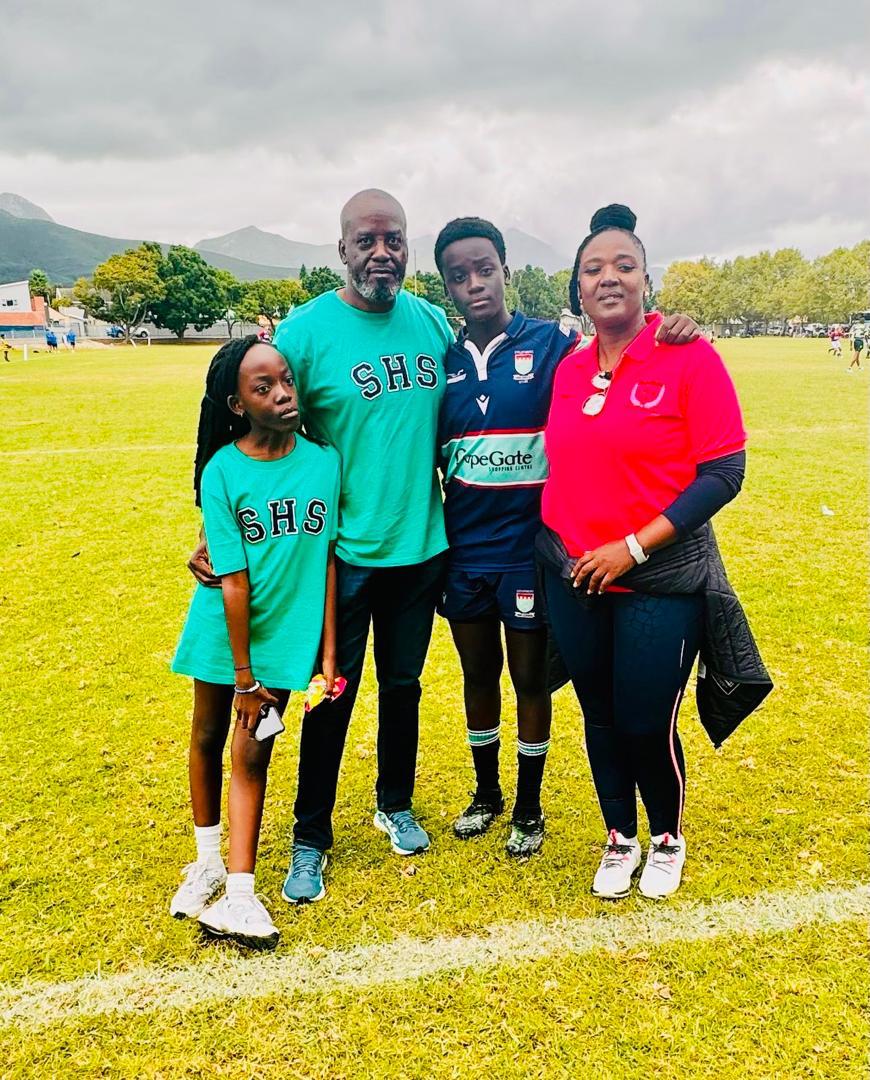
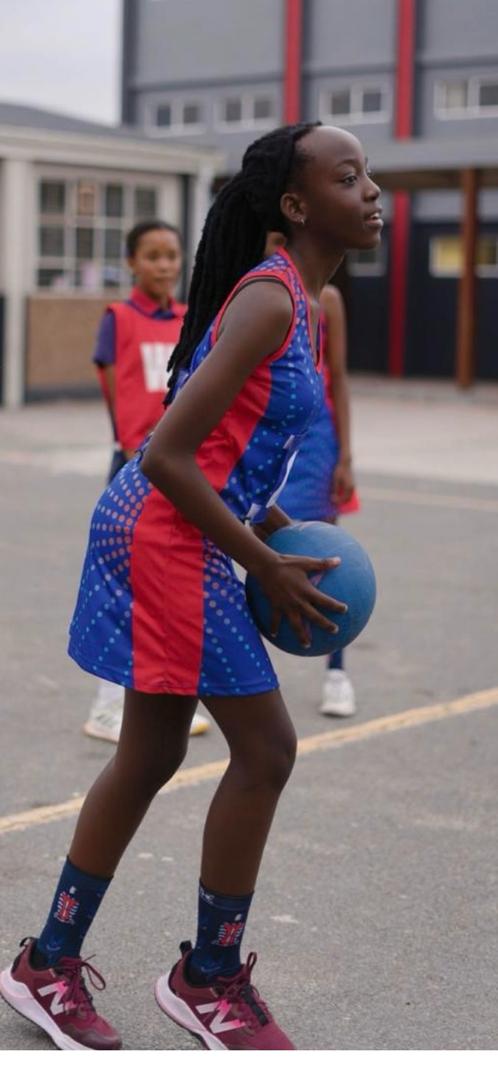
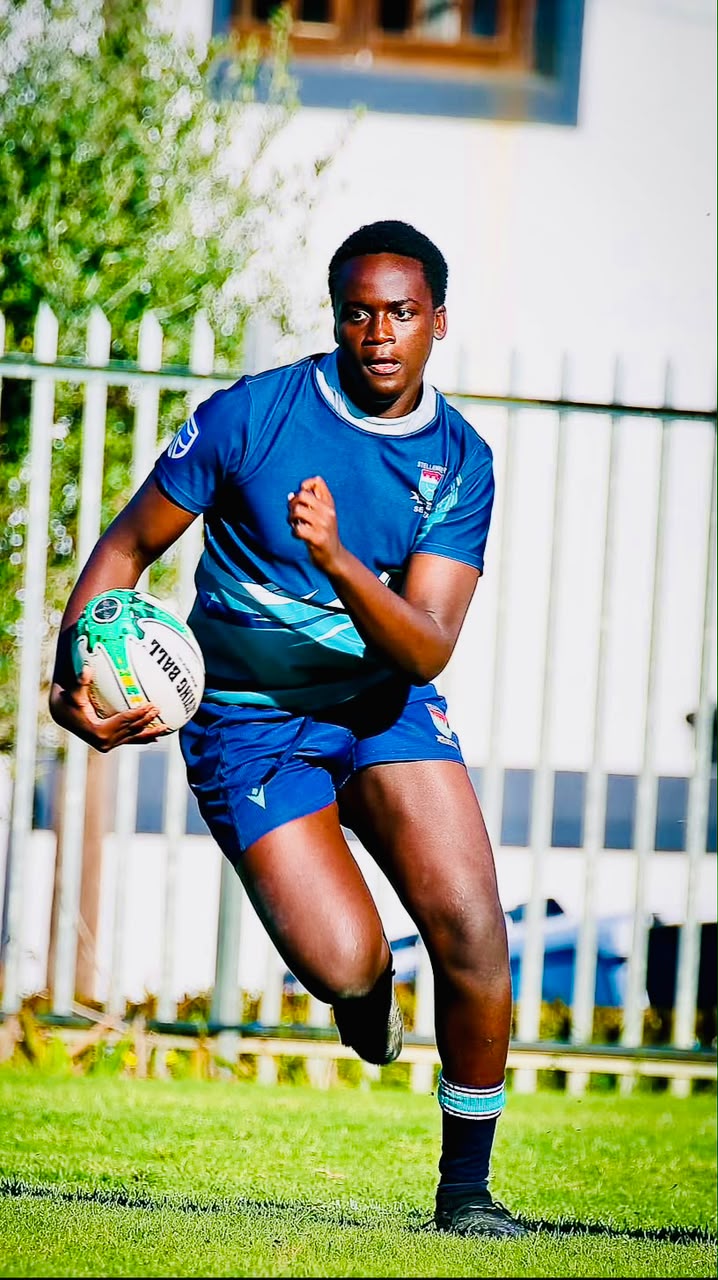
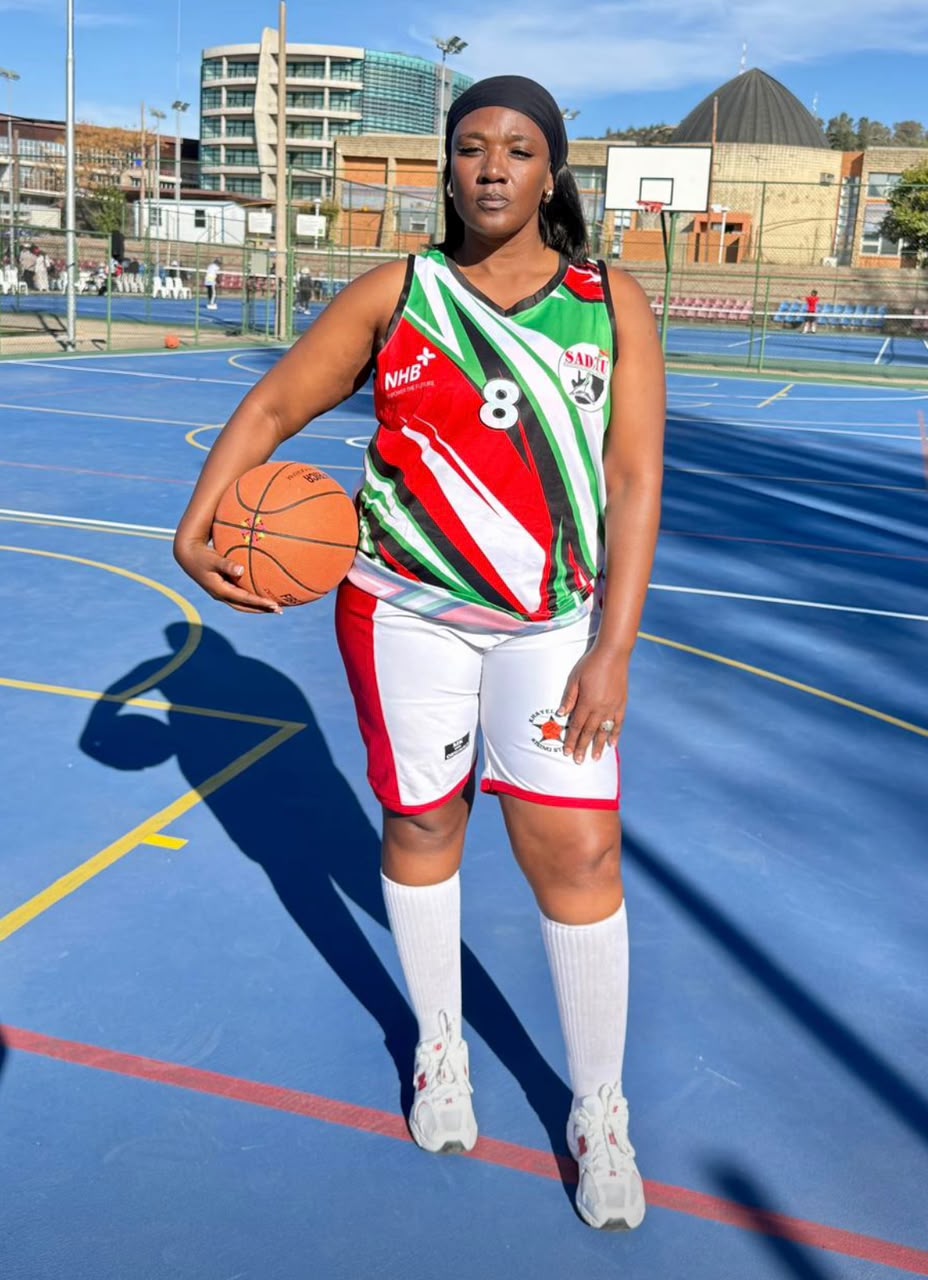
My children love sport, perhaps because both their parents do. Unlike me, my son plays rugby, and like her mother, my daughter plays netball. Unlike in our day, sport is now lucrative, so we stretch our meagre resources to help them excel and make a living from it. They attend one of the Western Cape's top sporting schools, admitted for excellence in sport and academics. My son, 15, also plays for Brackenfell Rugby Club and my daughter, 13, for Khayelitsha Netball Club. We attend as many of their matches as we can, offering material and moral support that gives them confidence. In sport, confidence is gold.
PS: If you could give your younger, professional self one piece of advice about preparing for life after sport, what would it be?
AM: Because of my love for academia, I would have made sure my love for sport ran parallel with it. Realistically, sport in Namibia then was for pleasure and passing time, and the chances of playing overseas were minimal, if they existed at all. There was no earning a living from sport, so you always knew you needed a job. Things have improved, but those who play at home must still search for jobs.
PS: What advice would you give to anyone hoping to follow in your footsteps as a player?
AM: Be disciplined. Discipline comes first, and then everything else falls into place. A football career has a very short lifespan. Do not get so excited that you concentrate only on football. Consider your options for life after the game and work on developing yourself towards them while you play.
PHOTOS: Contributed