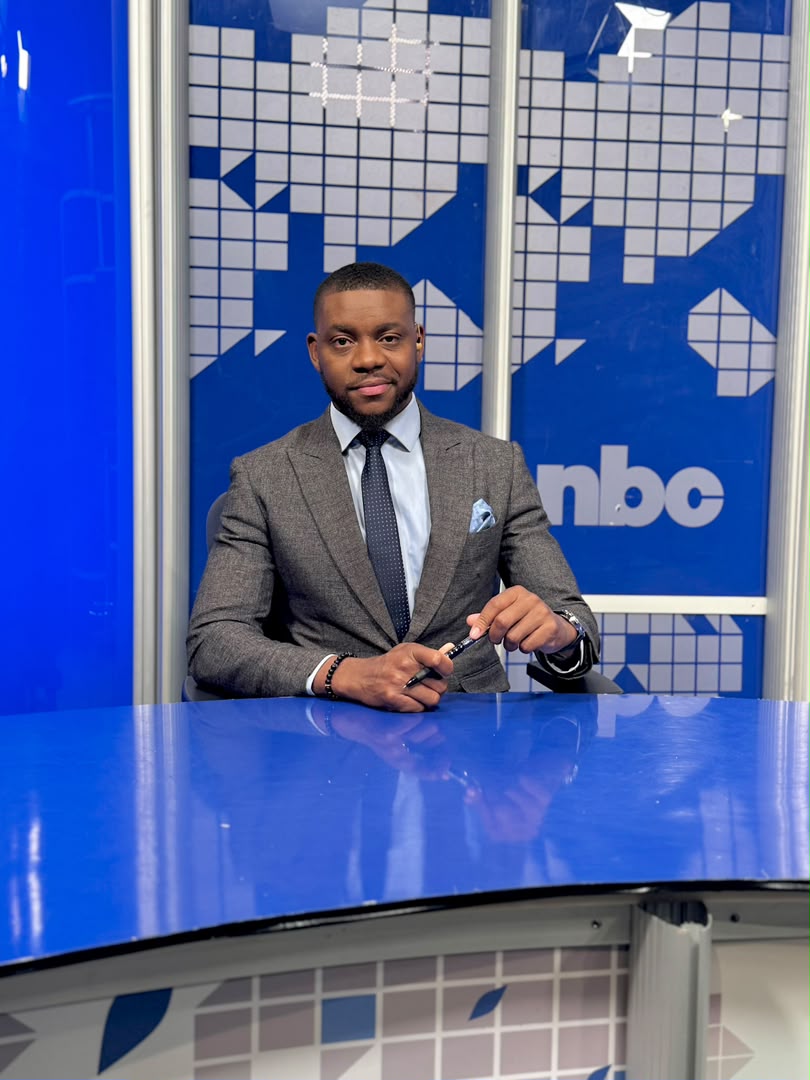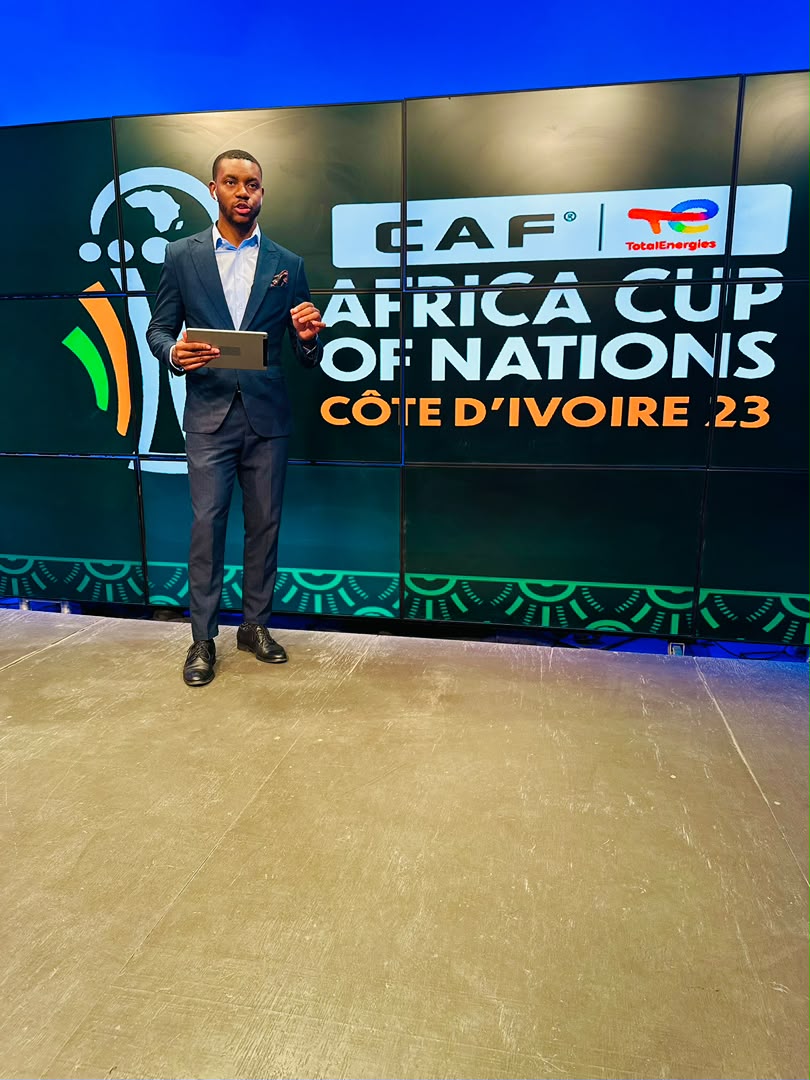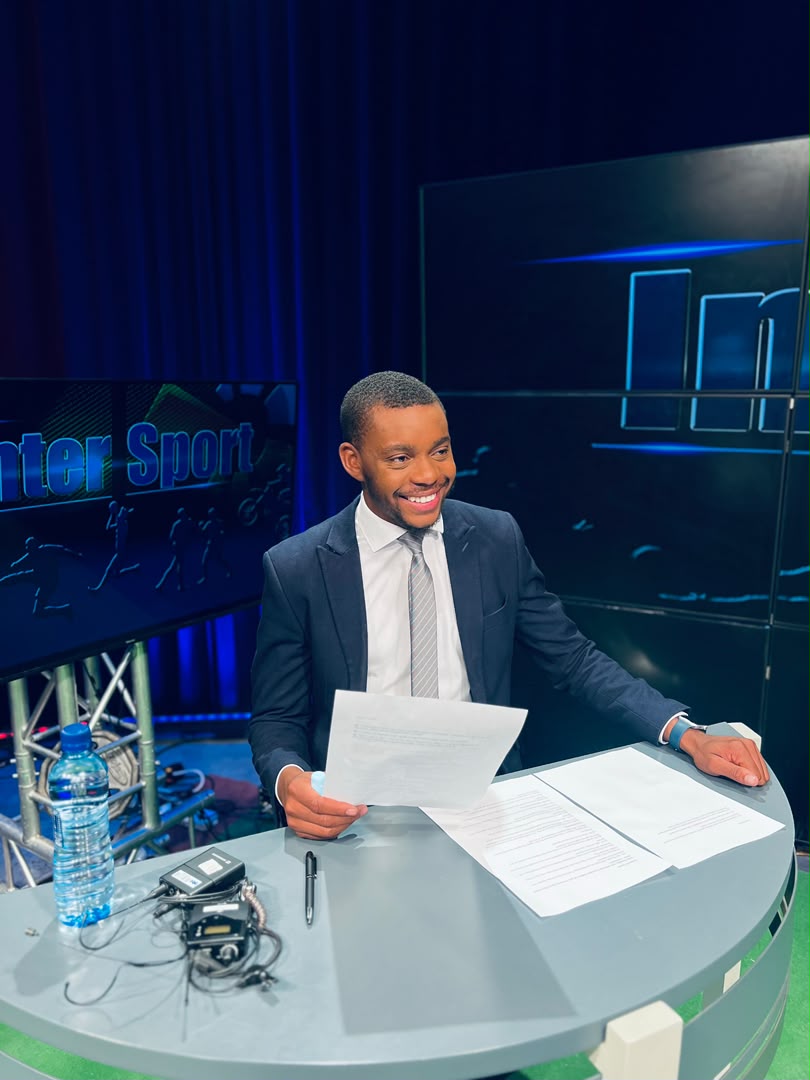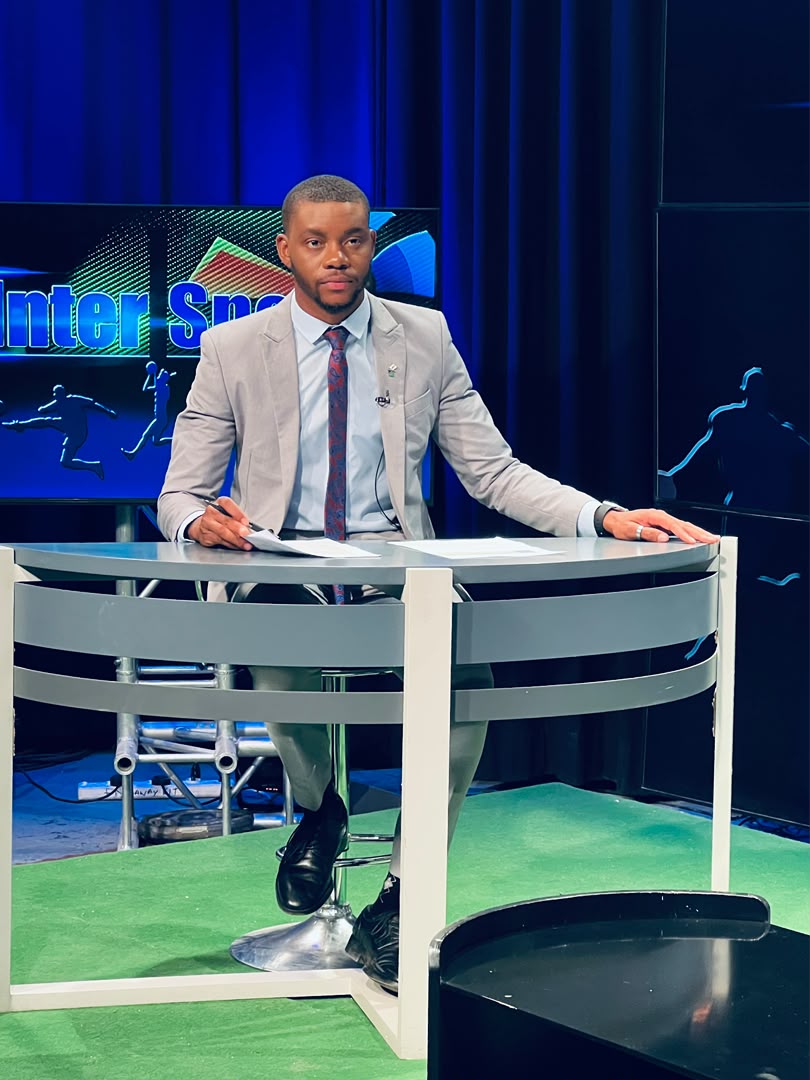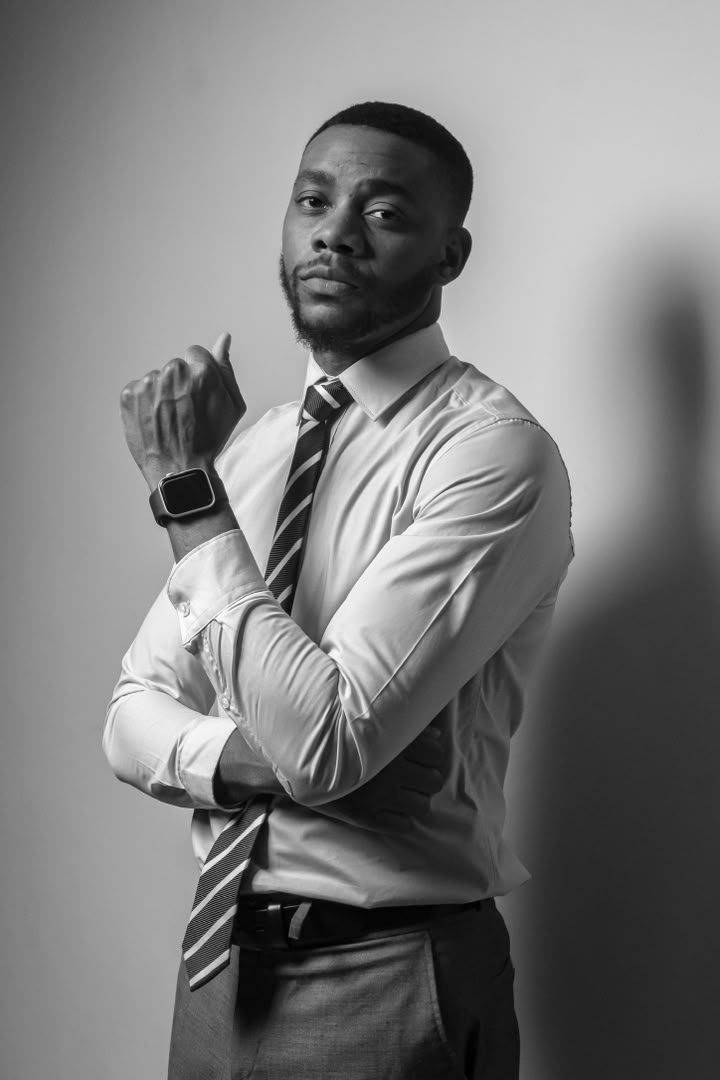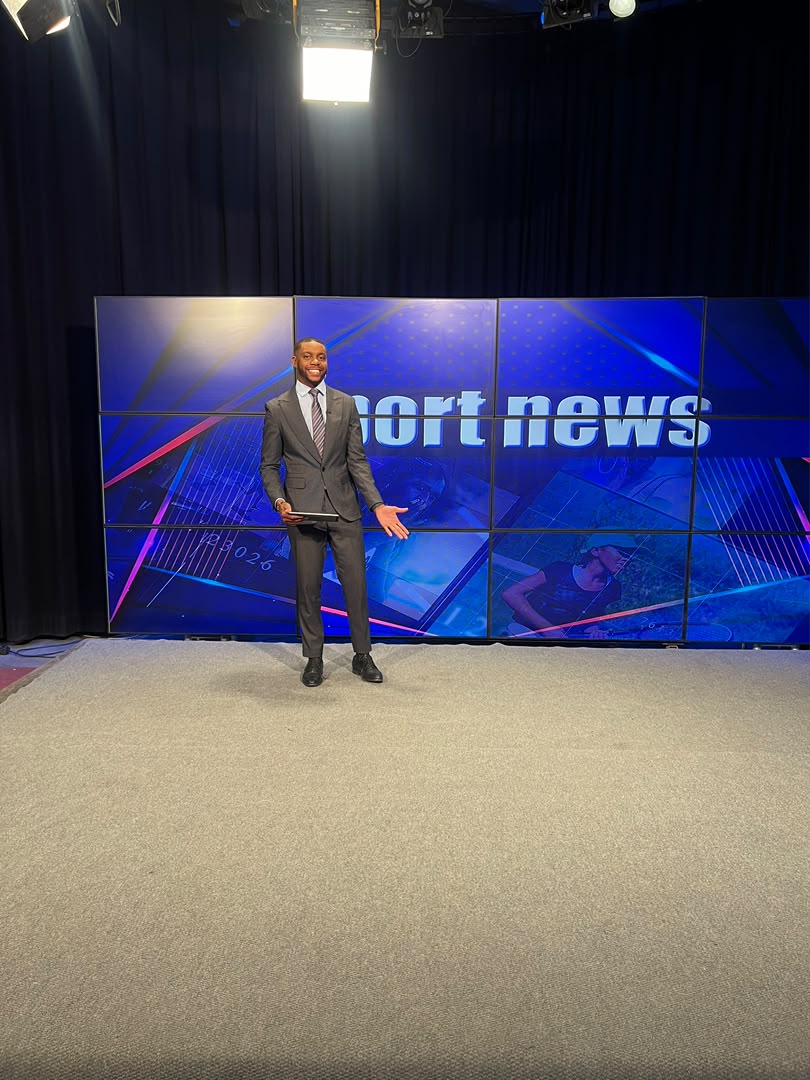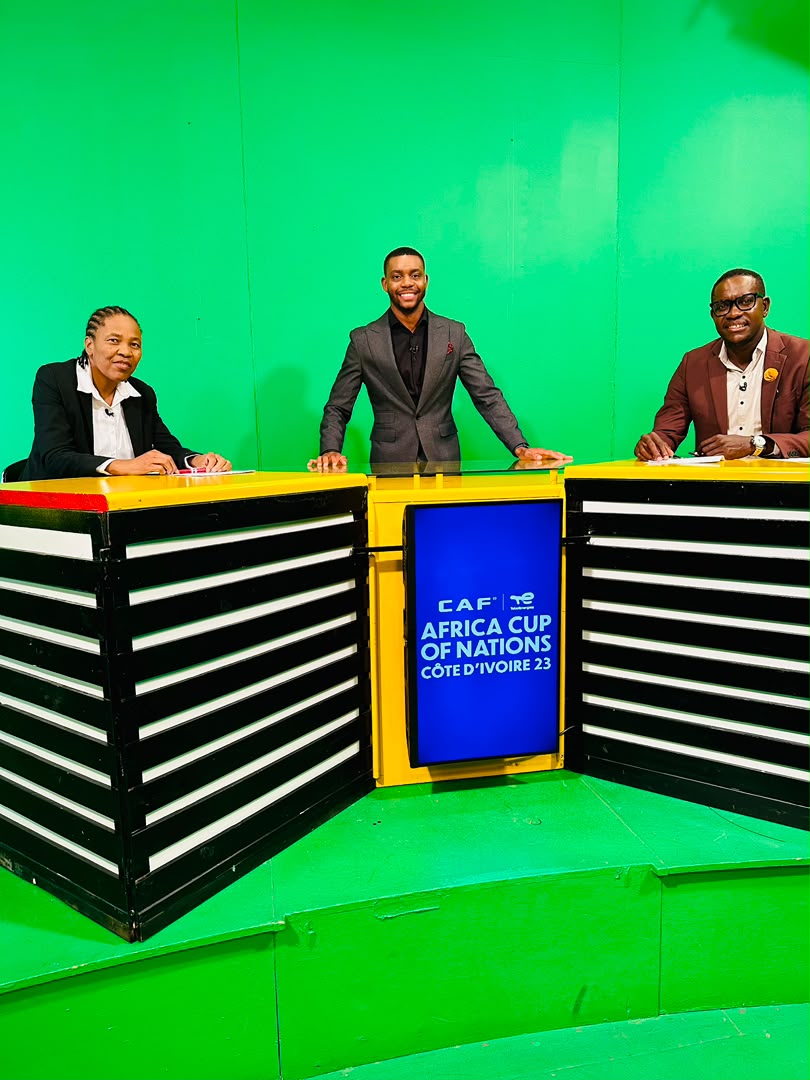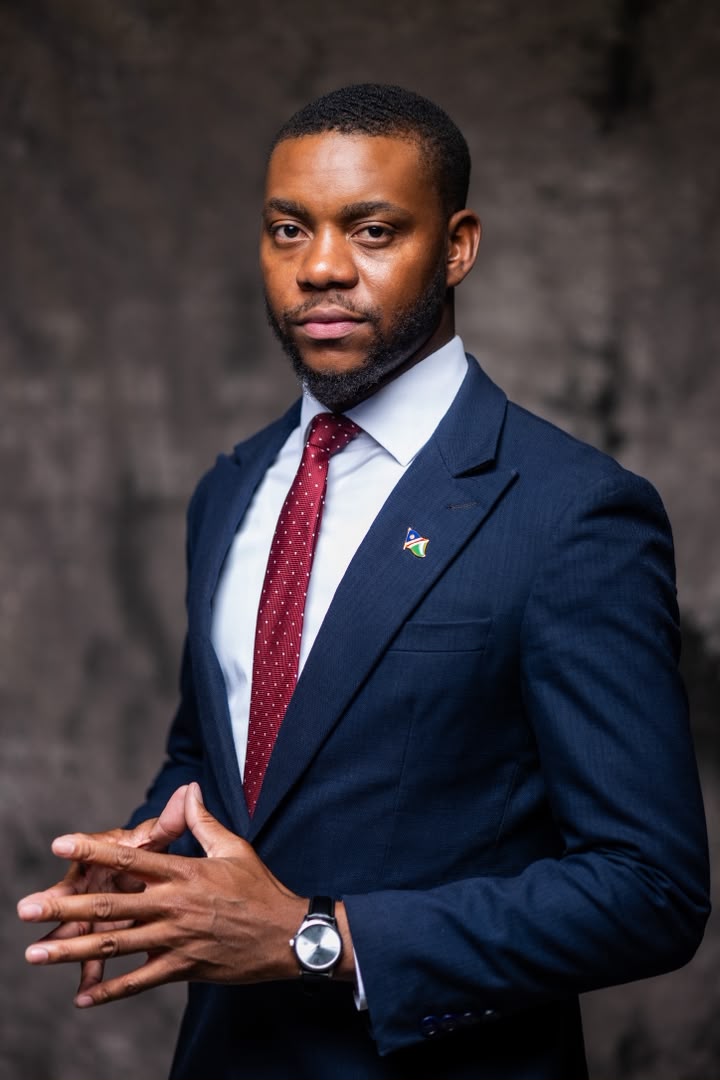
Behind the desk at the Namibian Broadcasting Corporation (NBC), John Ikondja (JI) delivers sports news with the pace of a winger. On Good Morning Namibia, where he is assistant producer, he presents the sports round-up. In the evening, he reads the sports news in the bulletin. He also stands in various shows such as the Daily Roundup, Public Service Corner and Intersport, interviewing leaders from the public and private sectors.
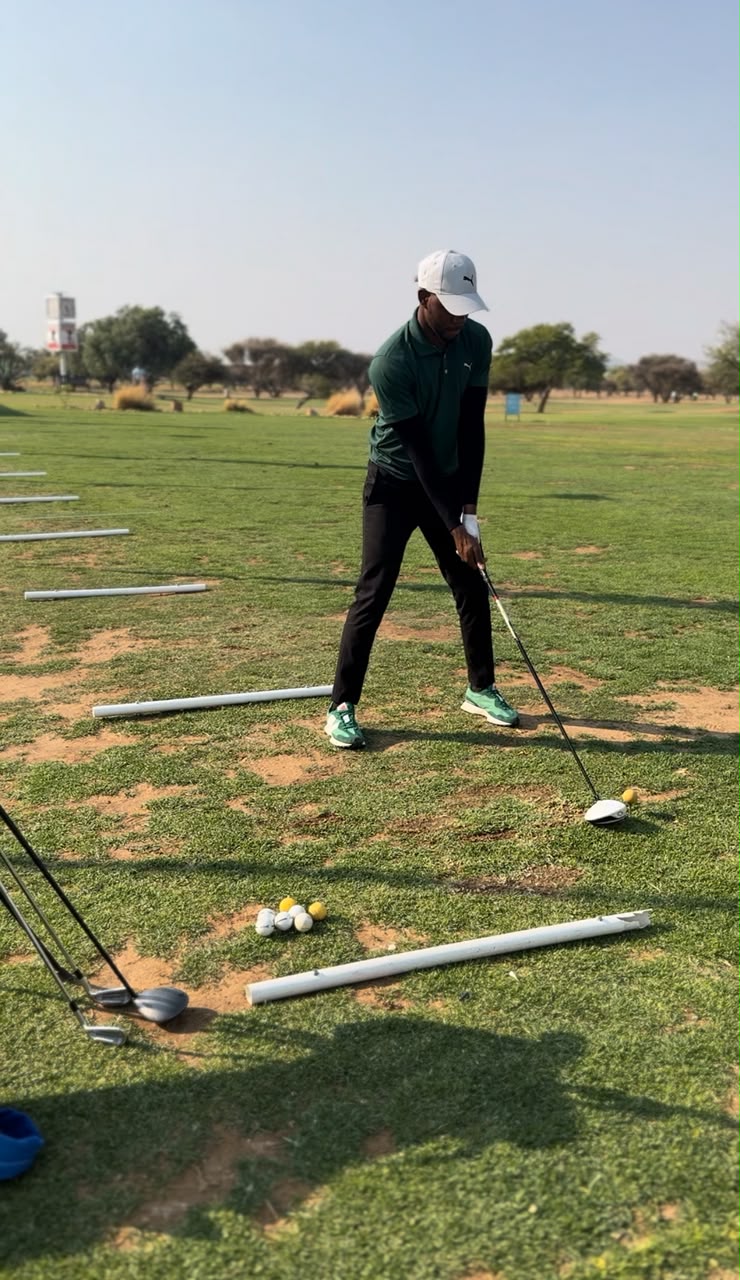
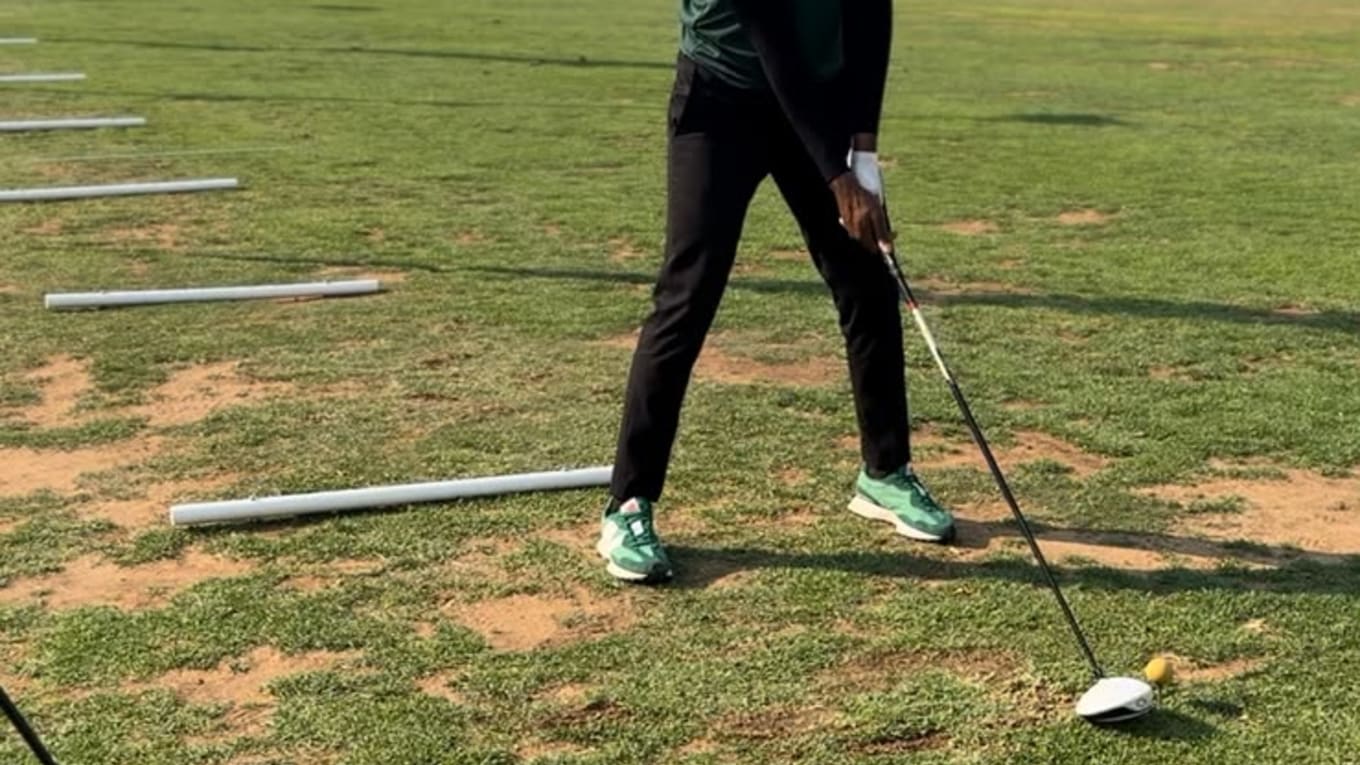
Eight years into his media career, Ikondja has grown through various roles in journalism, from Junior TV News Reporter to Sports Presenter, to Assistant Producer, then Producer and News and Current Affairs Presenter, producing content for news and talk shows. He hosts the Juvenile Podcast on YouTube, which profiles young professionals, and in his spare time he plays football, learns golf and picks up the guitar. With more than 5 000 followers on Facebook and Instagram, he represents a generation of media personalities who use their platforms to benefit their communities.
He is the Founder and Director of Juvenile Global Media Solutions, a media, events, and consulting company. We offer MC and moderation services, media production, voice-overs, media training, and consultancy for international companies in the energy sector, particularly in communications and stakeholder engagement. I am farming and ya just learning a lot as i grow.
Premium Sport (PS) Magazine asked him to swap the studio for the pitch.
PS: If you could trade your current profession for a career as a professional athlete, which sport would you choose, and why?
John Ikondja (JI): Football, without a doubt. I grew up in a home where the game was a way of life. My brothers, cousins and I were always around it, whether we were playing or watching.
My older brother, Junias Theofilus, shaped that love. He represented the national team and played for clubs in South Africa and Ethiopia. He was quick, athletic and agile, and I like to think I inherited some of that speed.
PS: Which position would you play, and how does it reflect your personality and strengths?
JI: Right winger or right back. I enjoy using my speed, and I like positions that demand both adventure and responsibility. As a winger, I would attack, take on defenders and create chances. As a right back, I would stay with my opponent, defend well and join the attack when the opportunity arose.
Those roles suit me because I am competitive and energetic, and I like being involved in the action. I also know football is a team game. You need to know when to make your move, when to support a teammate and when to do the unglamorous work for the team.
PS: What number would you wear on your jersey, and why?
JI: Number 7. In football it stands for pace, creativity and attacking intent, particularly on the wings, and for the ability to change a game. Some great players have worn it, and I would be happy to carry that responsibility.
PS: What would your signature celebration look like after a winning goal?
JI: Simple. I would sprint towards the corner, pause briefly, gaze upward, and gesture towards the sky. I am a man of faith, so it would be my way of thanking God.
No choreography. A little gratitude, a little confidence, and then back to work.
PS: What song would play as you walk out of the tunnel?
JI: “Remember the Name” by Fort Minor. Its message is about preparation, discipline and earning your place. It reminds me that talent alone is not enough. You must work hard even when no one is watching.
PS: Before the cameras and studios, what was your relationship with sport? Did you compete at school, or did you start as a spectator?
JI: I played. With a family that loved football, there was always someone to play with, and watching Junias progress to the national team and international clubs inspired me.
As I grew older, I became curious about other sports. I took up golf and cycling, and more recently, I have started playing padel. Each offers a different challenge. Football keeps its place in my heart, but I appreciate sport in all its forms.
PS: Did you ever seriously consider playing football professionally, and what led you to broadcasting?
JI: Every young footballer imagines it at some point. For me, life took another direction, and I discovered a passion for journalism and broadcasting.
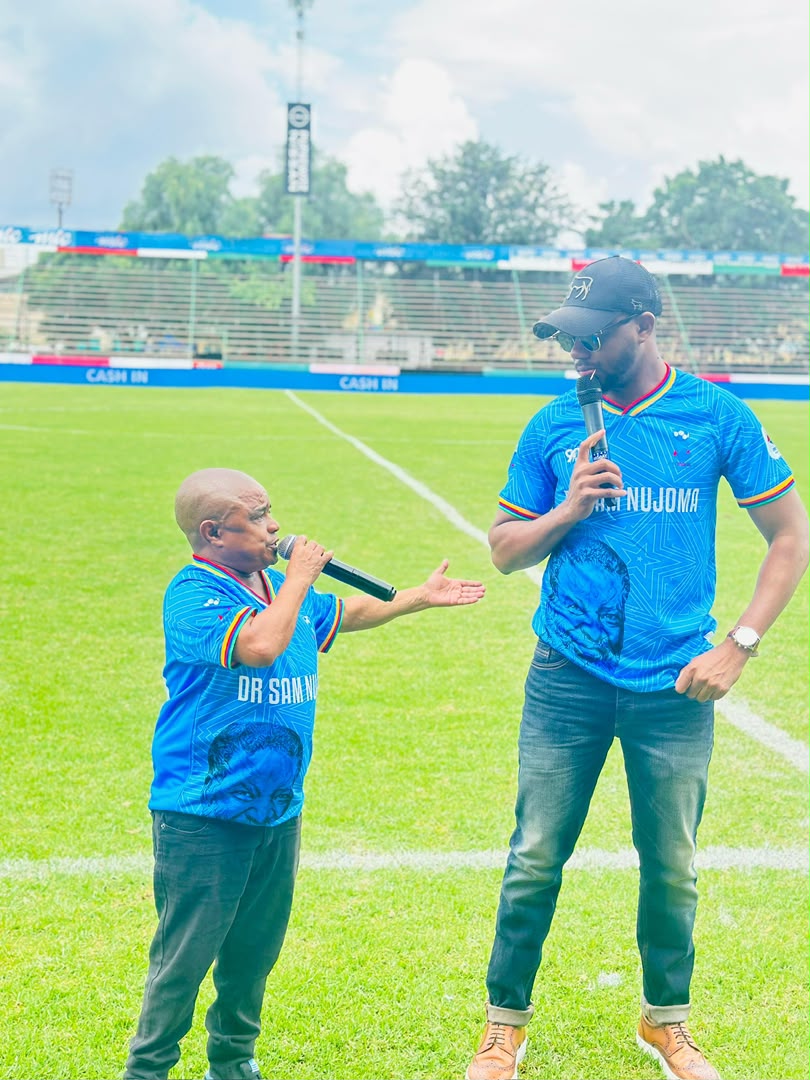
Sport never left my career, though. One of my first major appearances was as a sports news anchor. I have since presented sports news, breakfast shows and live football analysis, covered FIFA World Cup matches and served as Master of Ceremonies at tournaments.
I did not turn professional, but I found another way to live the experience. I tell sporting stories, analyse matches, engage athletes and share big moments with audiences. I still get to live the sporting life, from the other side of the game.
PS: What is your most embarrassing moment on a football pitch, one you can laugh about today?
JI: I once travelled to another town to play. Word had spread about my speed, and people were eager to see me. By the time I arrived, the expectation was high, and I carried more confidence than I should have.
Then came the moment everyone was waiting for. Instead of scoring at the right end, I put the ball into our own net. I arrived as the player everyone wanted to watch and introduced myself with an own goal. Football has a way of keeping you humble.
PS: Who is the greatest sporting icon in your eyes, personally and internationally, and what have you learned from them?
JI: Personally, Junias. He was the first footballer I watched closely and wanted to emulate. Seeing someone from my family reach the national team and play abroad showed me what dedication achieves. Before I was a fan of any international star; I was his.
Internationally, it is Lionel Messi, whom I regard as the greatest to play the game. His close control, vision and football intelligence make the extraordinary look effortless. He does not only score. He creates, sets the rhythm of a match and improves the players around him. His consistency over a long career, his trophies and a World Cup win complete the legacy.
From both, I have learned that ability matters, but what you do with it matters more. Stay committed to your craft, keep improving and remember what made you fall in love with it.
PS: If you could swap lives with a current professional athlete for 24 hours, who would it be?
JI: Messi again. I would want to see his preparation and training, hear the conversations in the dressing room and walk out in front of thousands of supporters. Above all, I would like to understand how he reads situations and makes decisions under pressure.
We often admire the finished product without appreciating the discipline behind it. I would like to see that first-hand.
PS: As a Chelsea supporter, which club is your greatest rival, and why?
JI: Arsenal. The history between the two London clubs makes those derbies exciting, and the atmosphere and bragging rights are always worth fighting for.
I am drawn to Chelsea’s winning mentality and its ability to rise to the occasion, particularly on big European nights. Supporting the club brings emotion, but that is part of football. You celebrate the highs, survive the lows and stay loyal. Up the Blues!
PS: Do you think you had what it takes to represent Namibia?
JI: I would like to think so. I grew up playing, had the speed and enjoyed the competition. But the national team requires more than natural ability. It takes years of discipline, consistency, sacrifice and the right opportunities.
Having watched my brother’s journey, I understand what that involves, so I would back myself to have competed for a place. Whether the selectors would have agreed is another conversation.
PS: As a former player and a broadcaster, what needs to improve in football, particularly in Namibia?
JI: We must be deliberate about developing the game from the grassroots. Namibia has talented young players, but talent needs quality coaching, competitive opportunities, proper structures and investment in facilities.
We also need clear pathways that take young players from school and community football into professional environments. We cannot expect international results without investing in the systems that produce international players.
From covering the sport, I have also seen the importance of visibility, sponsorship and sound administration. Footballers should see a sustainable career in the game, not only a chance to play.
PS: Complete this sentence: “If I were a professional athlete, the first thing I would buy with my mega-contract is…”
JI: Land. I would invest in property, build a home and establish a farm. I value owning something tangible, something that outlives a playing career.
Football careers end, but I would want my contract to give me something that keeps growing after the final whistle.
PHOTOS: Contributed