Namibia’s back-to-back defeats to Cameroon in 2027 Africa Cup of Nations qualifying have shifted the public conversation from match-day frustration to a demand for structural change.
After a 5-0 aggregate loss, with a 2-0 defeat in Douala followed by a 3-0 loss in Gaborone, Botswana, supporters and observers are moving past blaming the players and technical team. They are calling on government and football authorities to invest in approved stadiums, steady funding for domestic leagues and structured youth academies.
The gap in pedigree and preparation between the two nations is clear. Cameroon have won five continental titles and played in eight World Cups, and most of their squad plays every week in Europe’s top leagues. Under head coach David Pagou, who has lost two of his 10 games since taking over in late 2025, Cameroon is on course to reach their 23rd AFCON and their seventh in a row.
Namibia have beaten Cameroon before. The Brave Warriors had avoided defeat in three of their previous four meetings, including a 2-1 win in Johannesburg in 2023 and a 1-1 draw in Yaoundé that helped them qualify for the 2023 finals in Ivory Coast. Supporter Shafishuna Ngula said Cameroon used that period to rebuild while Namibia stood still.
“We beat Cameroon a few years back; their football was on the back foot. Aging players, poor results. They did an overhaul,” Ngula said. “In the meantime, we have stagnated, no contingency plan just vibes. From domestic to international football, we are in a crisis.”
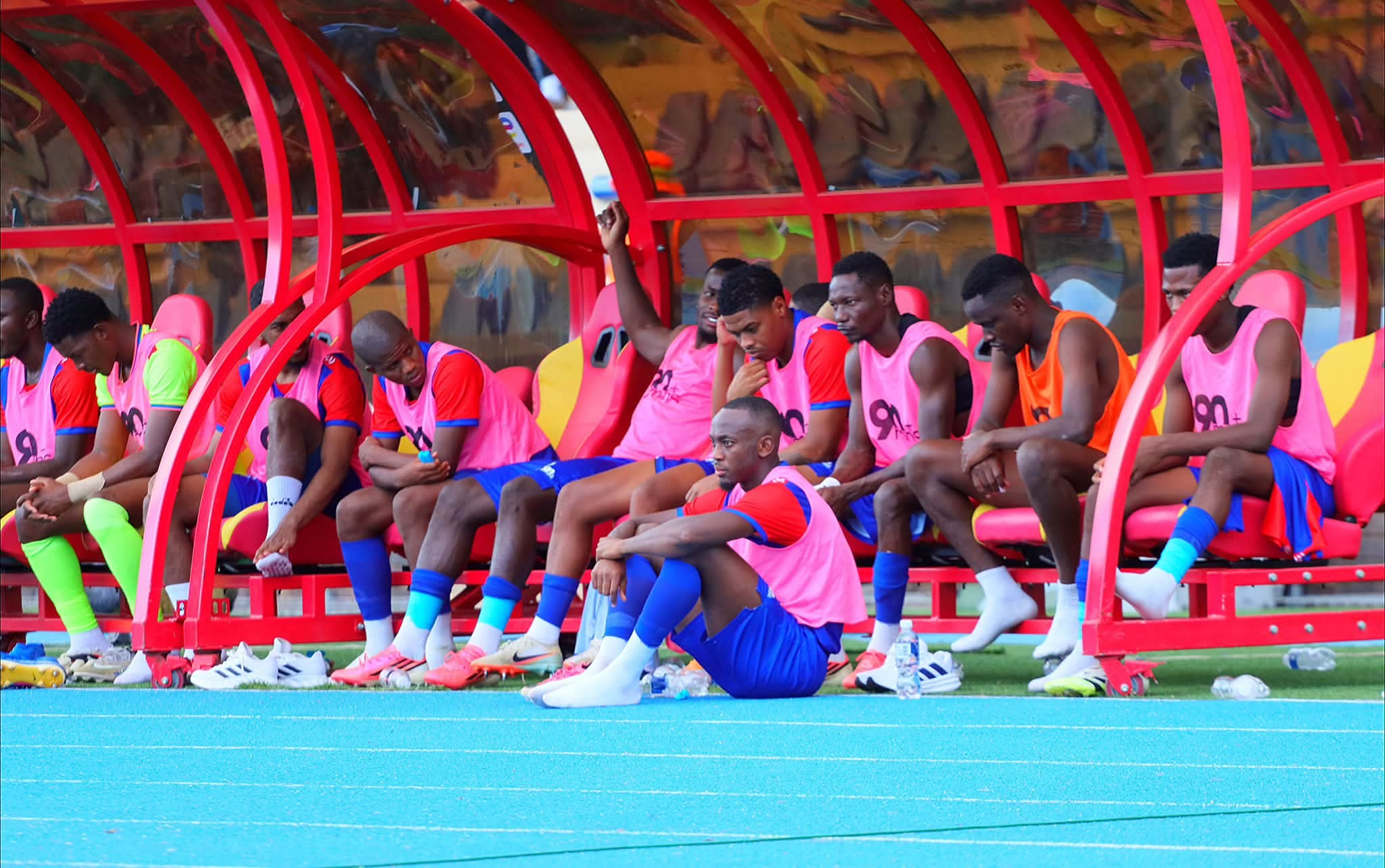
Namibia have lost nine of their last 11 matches, including a 6-0 friendly defeat to Russia and a 1-0 loss to Comoros, and supporters have voiced frustration at the lack of progress. When the squad gathered, the Namibian domestic league had not started, leaving local players without match fitness. Most of the South Africa-based players are in the second tier and are not regular starters. Injuries to key players and returning veterans cut the squad further, forcing head coach Collin Benjamin to work with a limited group.
The lack of depth also affects the top performers. Captain Peter Shalulile and Deon Hotto struggle to replicate their club form for Namibia, largely because of the difference in quality between their club teammates and the inexperienced players around them in the national setup.
Before the match in Douala, Benjamin said African football was moving fast and that Cameroon’s players had played 10 to 16 matches in European competitions. “Yes, we haven’t started the league yet. Is it something that I must cry about? No. It is the reality,” he said.
Benjamin called up players from the under-20 and under-23 teams who had done well in recent age-group internationals. He said organisation and fitness would be needed to stop Cameroon’s attackers. “Structure, discipline, attitude, work out the ball, but then when we have the ball, we have to go,” he said.
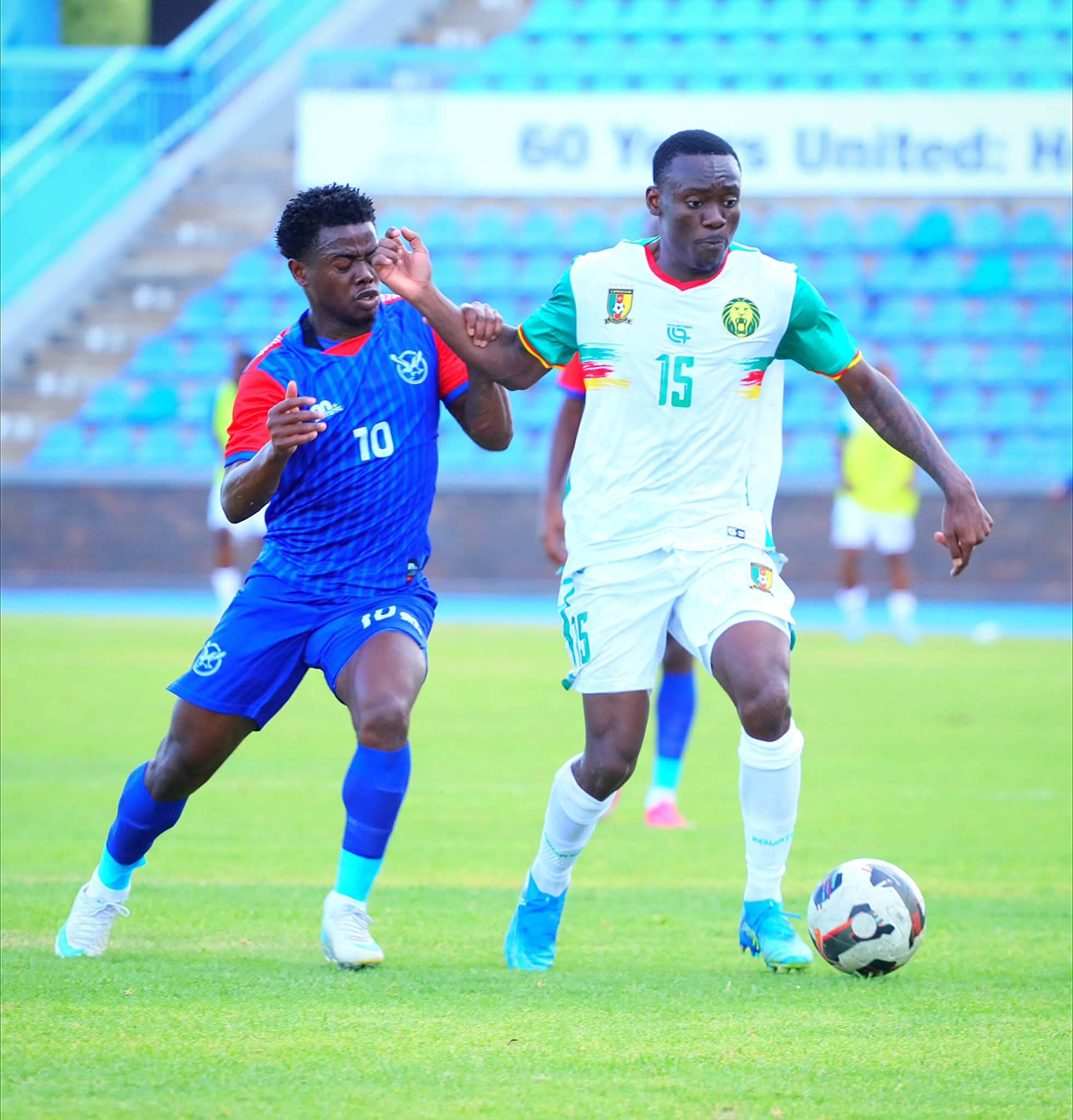
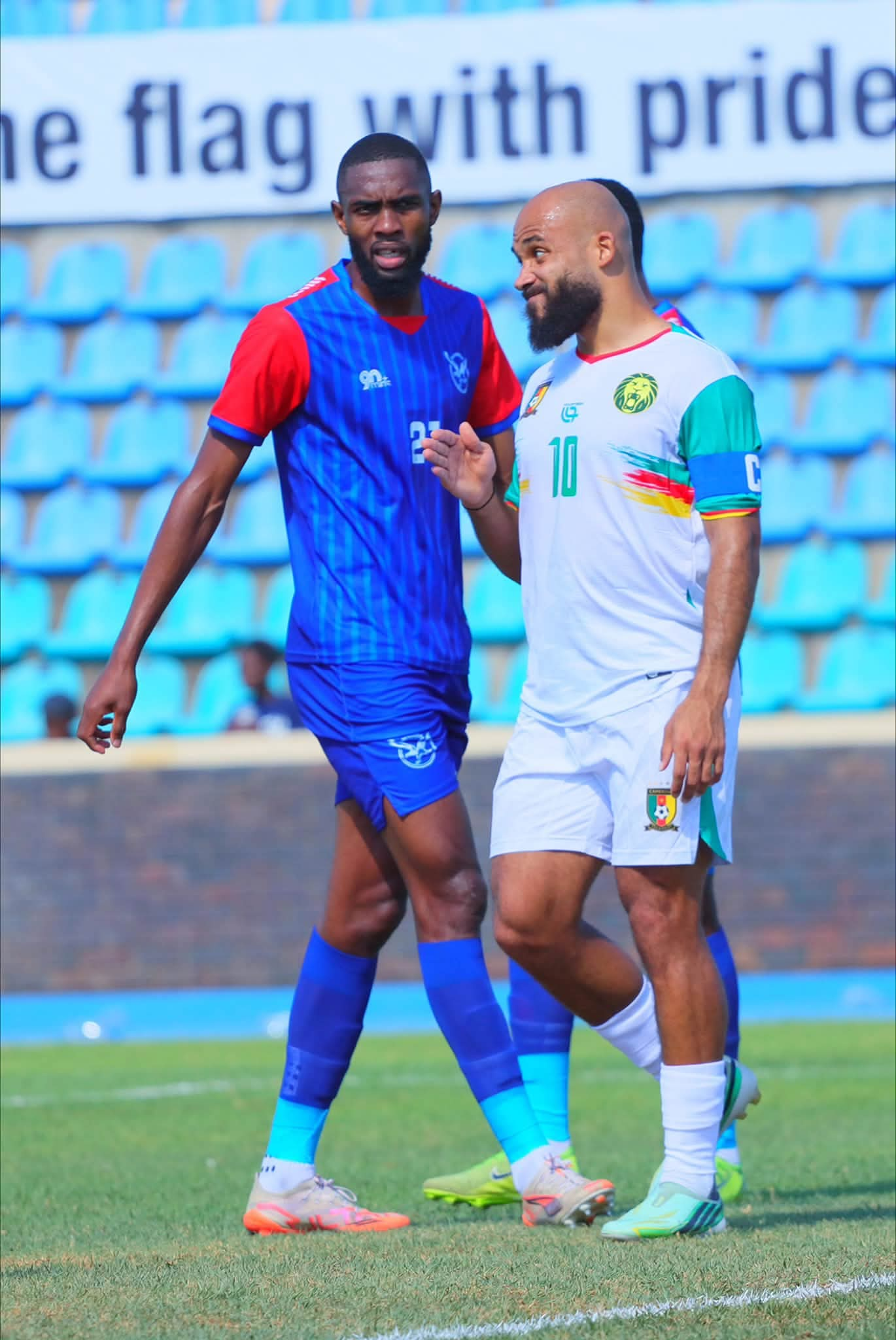
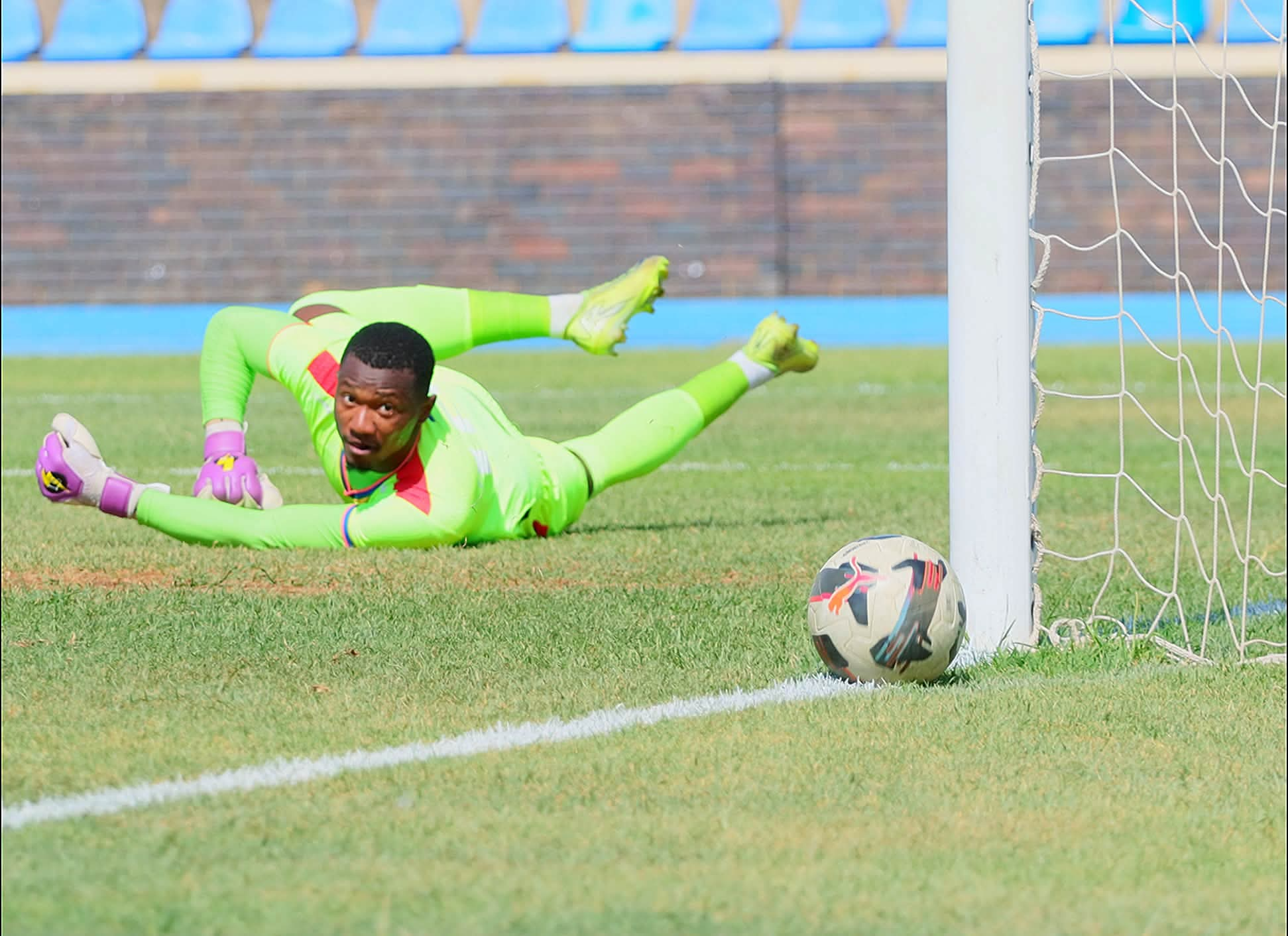
Once the match at the Japoma Stadium began, Cameroon’s fitness and quality showed. Saidou Alioum Moubarak scored in the 16th minute, and Bil Nsongo added a second before halftime. Namibia created few chances and lost away without scoring.
Preparation for the return match was hampered by the lack of facilities at home. Namibia still does not have a stadium approved by the Confederation of African Football (CAF) to host senior internationals, so the Brave Warriors played their home fixture at the Botswana National Stadium in Gaborone. Without home support, Namibia effectively played two away matches against the group leaders. Benjamin missed the game after being granted time off for a personal matter, and John Sikerete took charge.
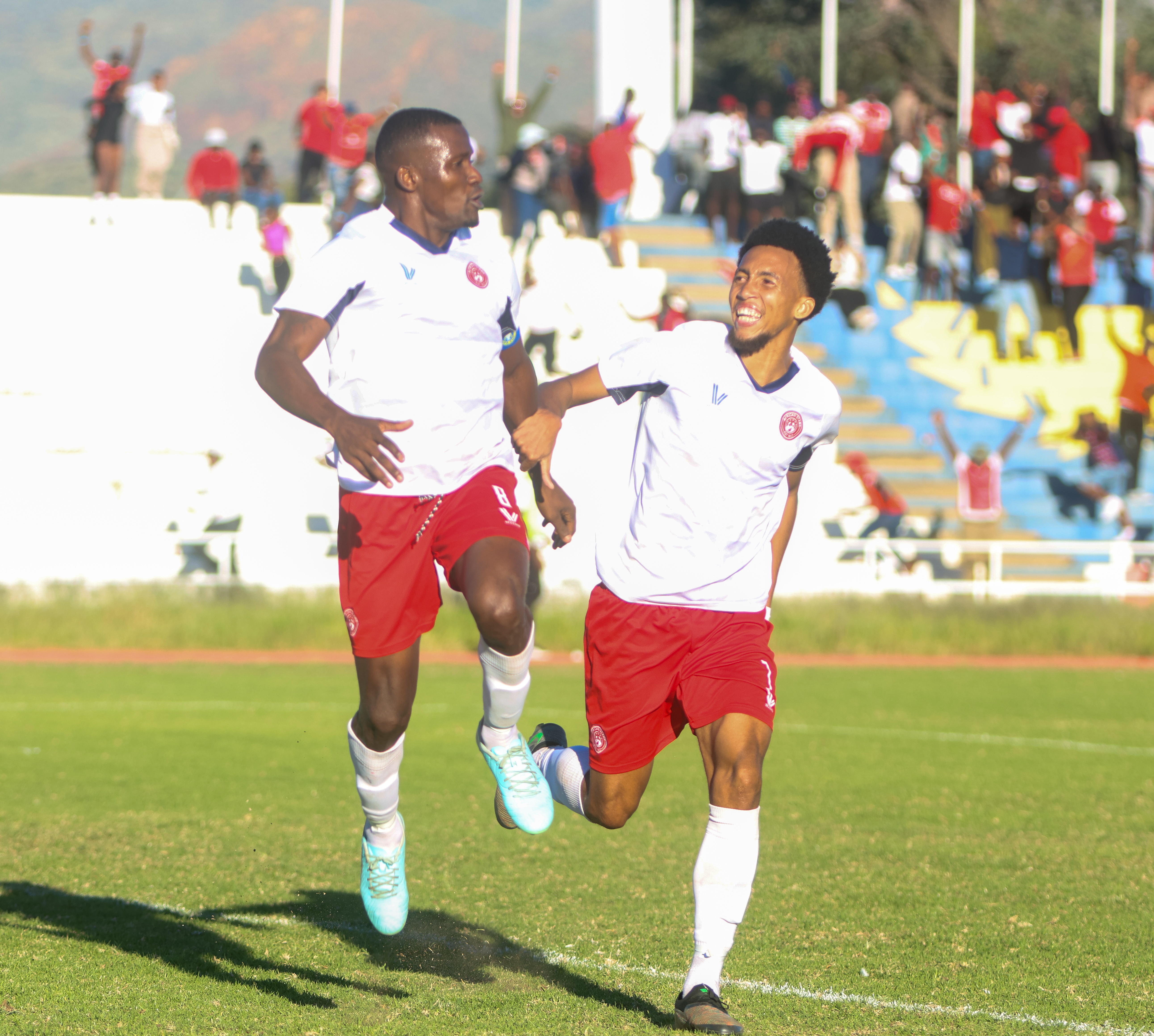
In Gaborone, the same mistakes cost Namibia early. Mahamadou Nagida gave Cameroon the lead in the 12th minute after Namibia lost the ball while building from the back. The score stayed 1-0 until halftime. Second-half goals from substitute Ryan Fosso and Saidou Alioum made it 3-0.
Sikerete said mistakes in Namibia’s own half and lost duels in the first half decided the game.
“We made critical mistakes that we shouldn’t make in the build-up,” he said.
He added that conceding early shook the confidence of his young lineup, although they played with more energy in the second half. “You’re going to be punished, and that’s what happened.”
The Namibia Football Association (NFA) urged patience during the transition. “Rebuilding takes time, patience and commitment, and the journey continues,” it said in a statement. “Our focus now shifts to March, where we hope to return stronger and ready for the next challenge.”
For many fans, patience must come with action from national leaders rather than criticism of those on the pitch. Supporter Willisch Cc said the players and coaches did their best with the resources available. He called on the government to establish sports academies in every constituency, build facilities that meet international standards, involve young people with sports management knowledge, and raise funding from school and regional levels upward.
“We cannot continue blaming players and coaches when the bigger problem is the lack of adequate investment and long-term planning,” he said. “Let us stop celebrating talent only when our national teams win. Let us invest in that talent long before players wear the national jersey.”
The losses leave Cameroon top of Group G with 10 points from four games and Namibia third on three. While the NFA asks for patience, the message from supporters is that Namibia will continue to face disadvantages internationally until authorities address the need for CAF-approved stadiums, steady funding, a regular domestic league and structured youth development.
PHOTO CREDIT: NFA