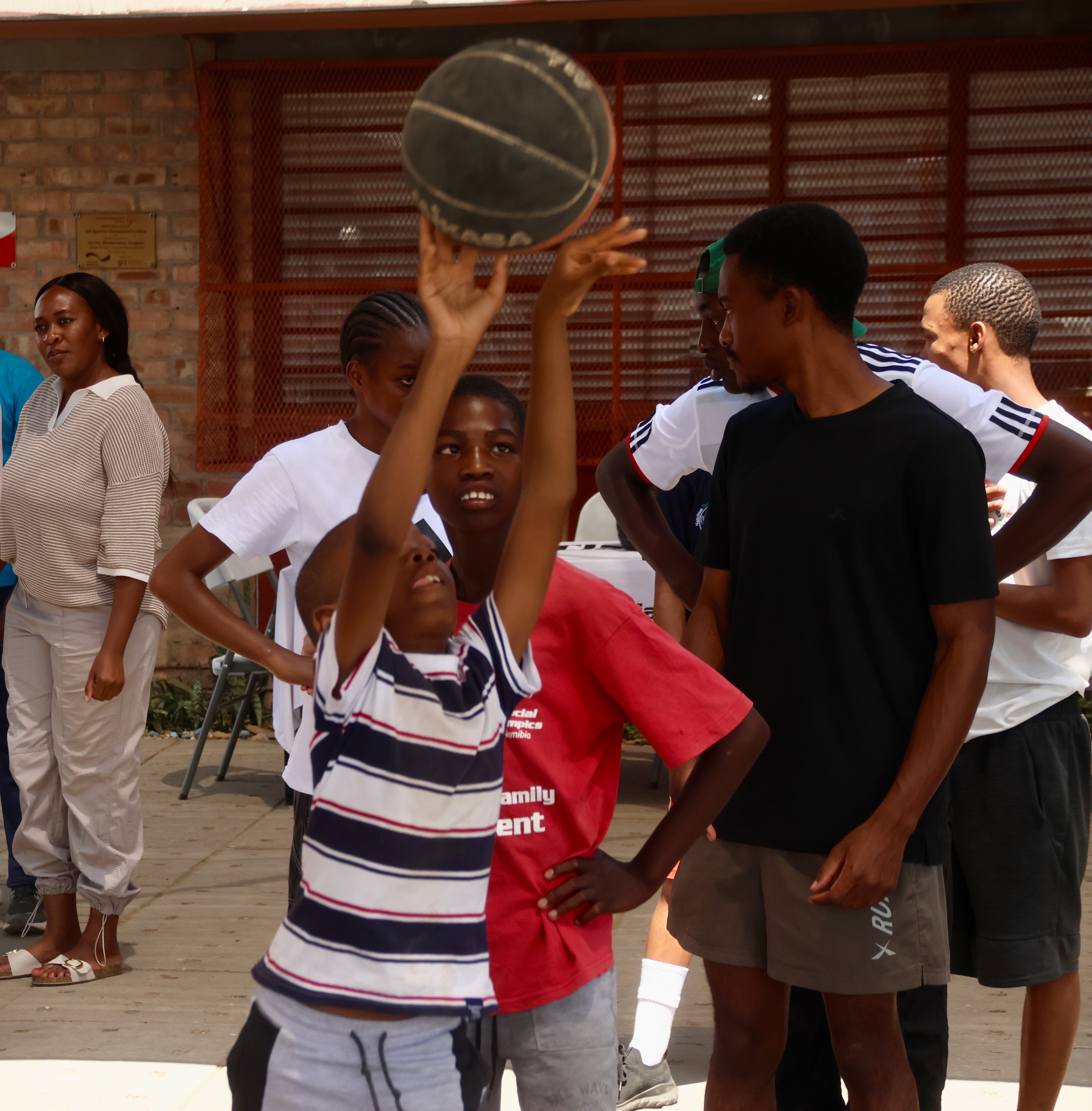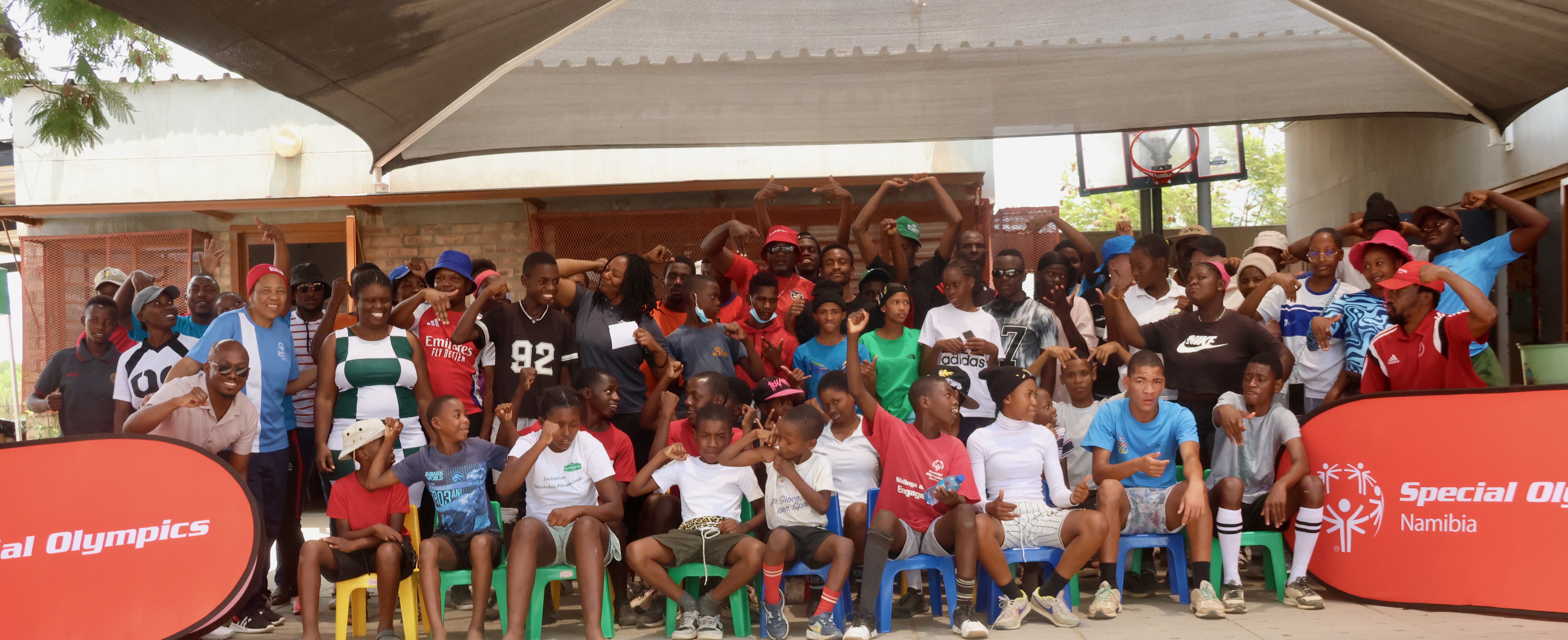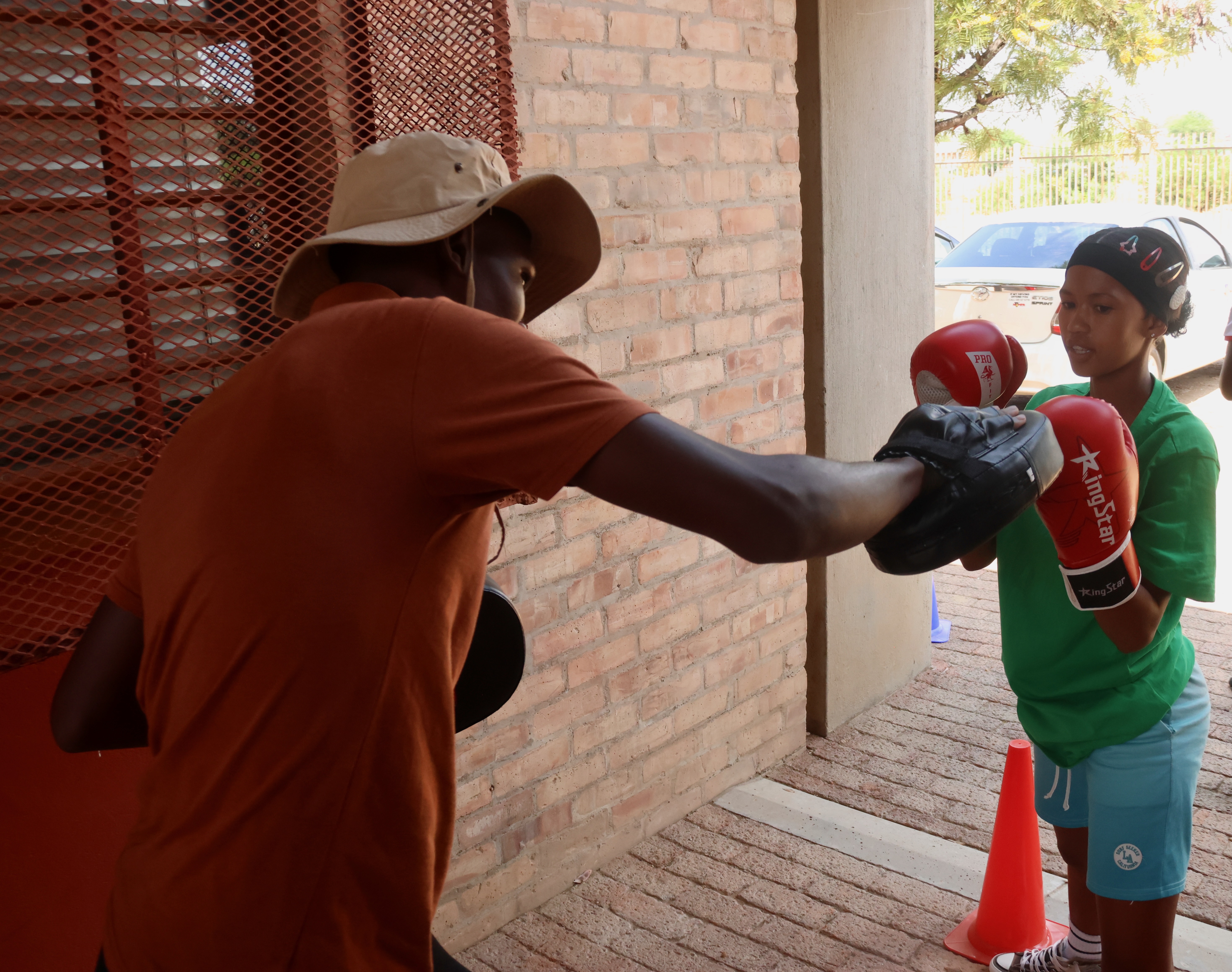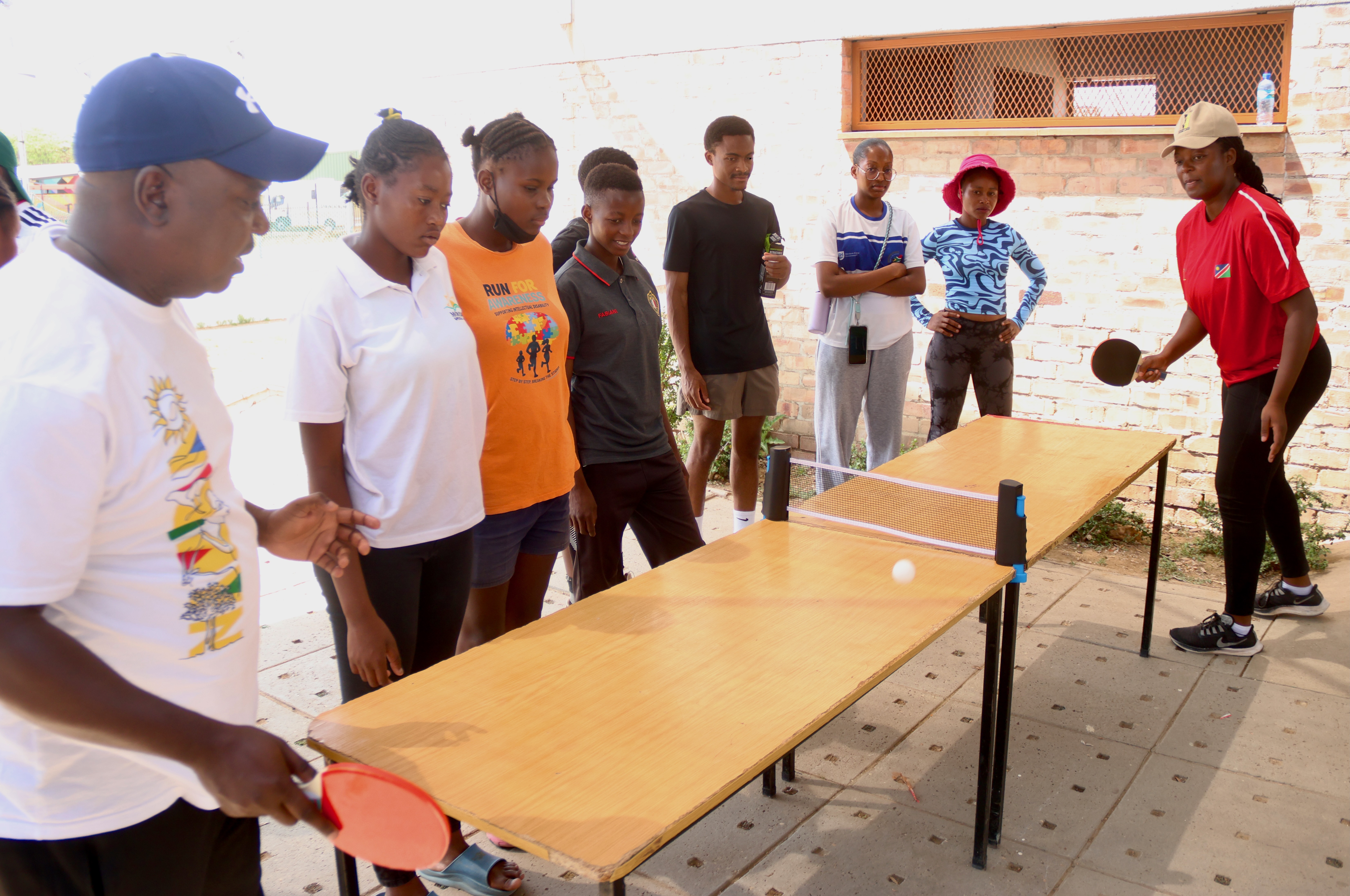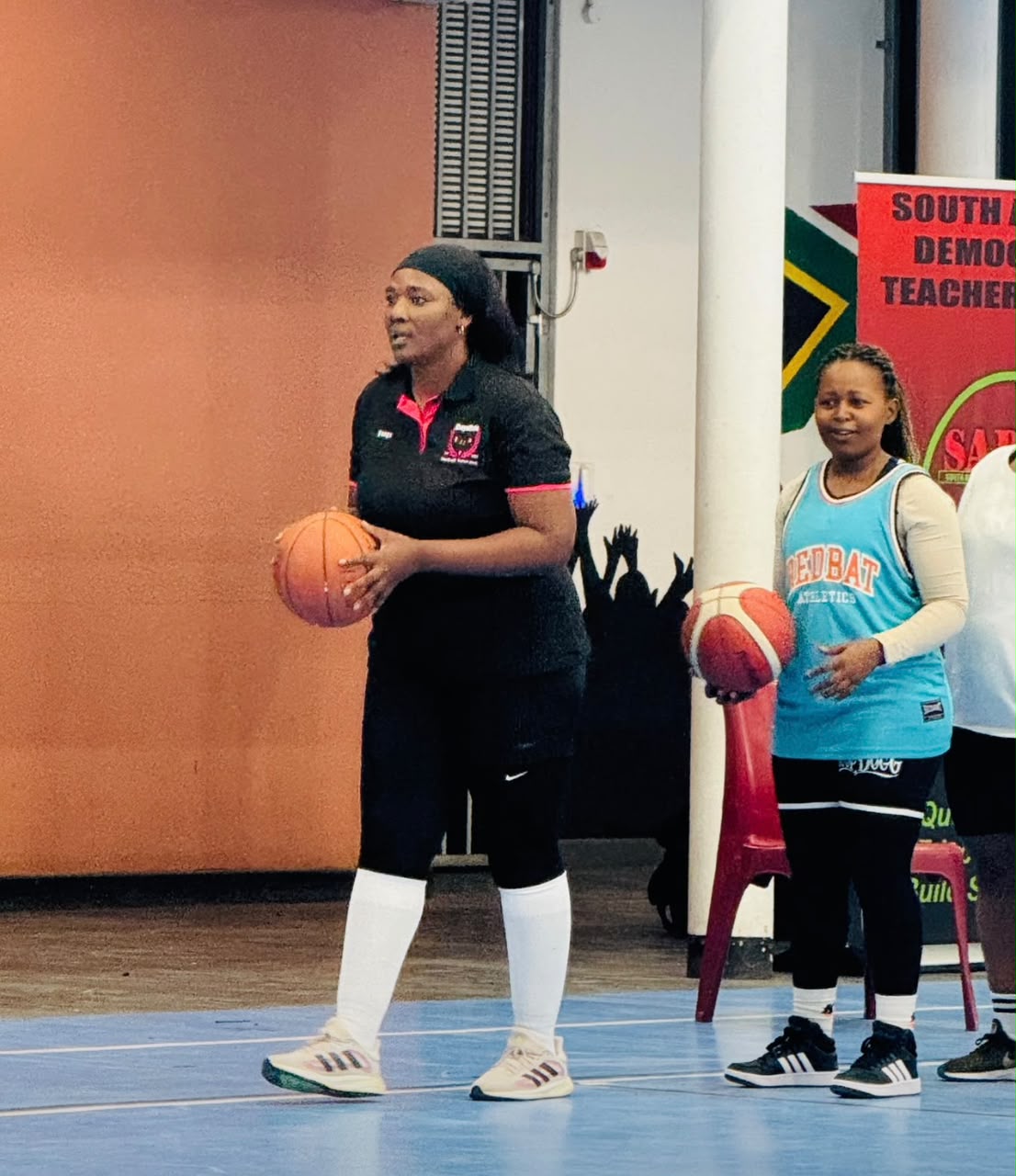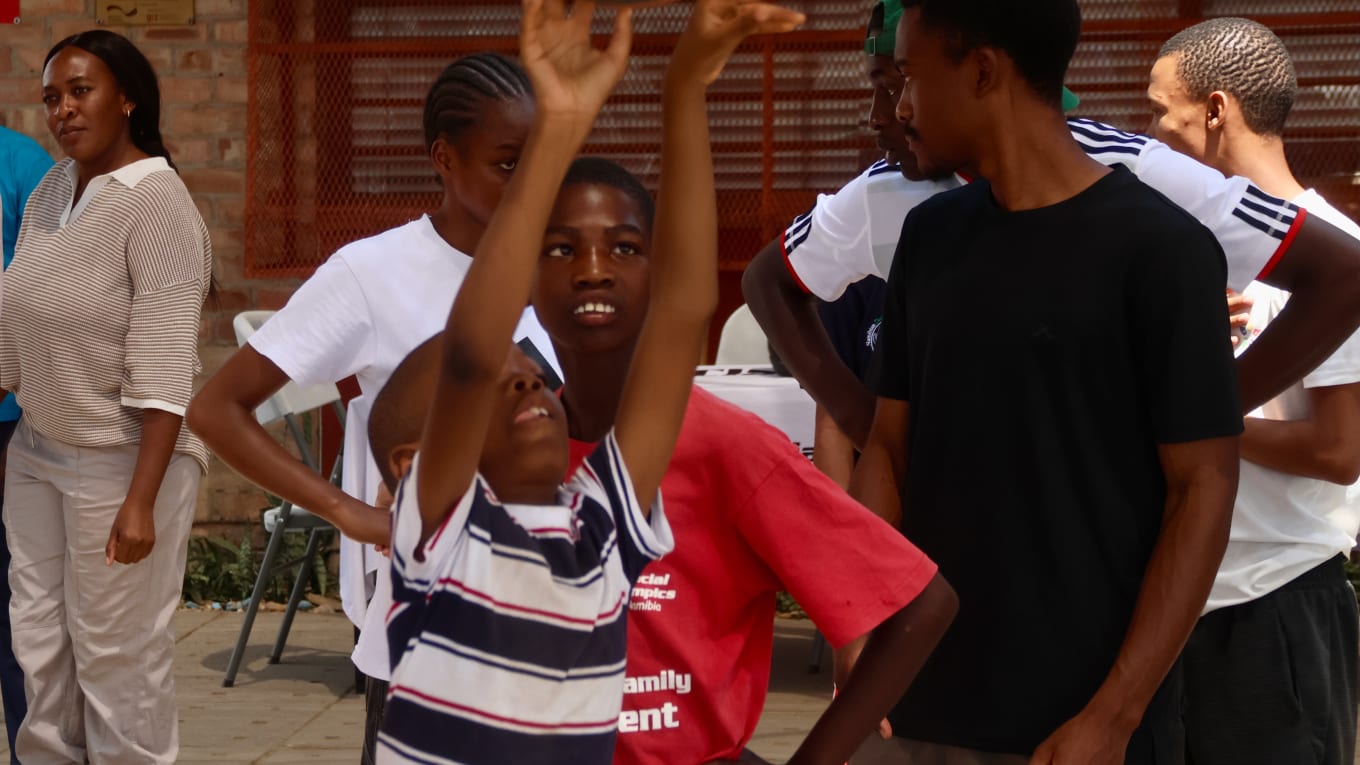
Disability Sports Namibia (DSN) hosted the Disability Week Wellness Day at the Katutura Youth Centre on Saturday under the theme “Celebrating Ability Through Sport”.
The organisers invited almost 70 learners from Special Olympics, Namibia Deaf Federation and Paralympic Sports. Learners from schools in Windhoek were also invited, together with teachers or designated representatives, who kept them under care and supervision throughout the programme.
The day aimed to promote inclusion, wellness and participation in sport. Learners met and engaged with athletes from Deaf Sports and Special Olympics, took part in sport and experienced teamwork, friendship and respect for one another. Organisers wanted to encourage understanding of disability and to show the role sport plays in bringing people together.
DSN president Tegelela Abner Sheya said the day celebrated unity, equality and inclusion through sport.
“DSN is committed to promoting sports development and equal opportunities for all persons with disabilities across Namibia. This event is important because it reminds us that sport is for everyone, regardless of ability or disability,” he said.
He told the audience that the day would cover three sporting communities.
“Today, we will learn about three sporting communities: Special Olympics, Para Sports and Deaf Sports. We will also enjoy inclusive activities, share experiences and learn from one another,” Sheya said.
He said the message of the day was simple: “No one should be left behind in sport. Everyone deserves an opportunity to participate, compete and succeed.”
He called on those present to act: “Let us work together to remove barriers, support our athletes and build a stronger and more inclusive sporting community in Namibia.”
The event formed part of the MakingNoise Campaign, which Loughborough University in the United Kingdom developed in partnership with the African Union Sports Council (AUSC). The campaign promotes the participation of persons with disabilities in sport and carries the message that sport is for everyone, regardless of ability.
The Namibia Sports Commission supports the campaign. The commission has shown its commitment to the AUSC Region 5 mandate by backing efforts to promote sport for all and to create opportunities for athletes of all abilities. Saturday’s programme brought together athletes with intellectual disabilities, athletes with physical disabilities and Deaf athletes in a wellness programme that celebrated inclusion, unity and the power of sport to bring people together.
The commission said the gathering was more than sport. It offered athletes and communities a chance to build connections, promote well-being and recognise that every athlete deserves recognition, respect and inclusion. Through initiatives such as MakingNoise, Namibia raises awareness of the need for access to sport and the need to ensure that persons with disabilities are not left behind.
Participants were also introduced to CLEAN SPORT, a principle that the Olympic Movement upholds.
“CLEAN SPORT means competition without doping, manipulation of results or abuse, so that athletes win through effort and skill. The International Olympic Committee (IOC) works with the World Anti-Doping Agency (WADA), anti-doping organisations in each country and the federations of each sport to protect this right of athletes. The World Anti-Doping Code sets the rules: it lists the substances and methods that the Code bans, and it governs testing, investigations and sanctions,” said Michael Hamukwaya, an expert in disability sport and facilitator on the day.
He explained that the International Testing Agency delivers testing and investigation work for the Games and for federations that choose to use it, while athletes’ commissions give athletes a voice in decisions on these matters.
He added that the Movement also acts against the manipulation of competitions and corruption linked to betting through the Olympic Movement Code on the Prevention of the Manipulation of Competitions, and that it promotes the safeguarding of athletes against harassment and abuse.
“Education programmes teach athletes, coaches and support staff about the rules, the risks of doping and the values on which sport rests,” he said.
PHOTO CREDITS: Contributed